

Éϻذ¢æ©Ì¸¹ýÒ»µãÂêÑÅÈ˵ÄÊ£¬µ±Ê±ÎÒ»ØÌù˵ÕâÂêÑÅ¿§·È¹ÒÑòÍ·£¬Âô
¹·È⣬¶ÔÂêÑÅÎÄ»¯Ã»ÓаëµãÑо¿¡£ÇëËý½²ÁËһЩ£¬Ç°²»¾ÃÓÖÓз½ºøÔÕ
ÏÈÉúµÄÎÄÕ¡¡
ËäÈ»ÔÚÃÀ¹ú¶àÄ꣬ÔÚÂêÑÅ¿§·ÈÒ²ÓйýһЩÈÕ×ÓÁË£¬¶ÔÂêÑÅÎÄ»¯¼¸ºõ»¹
Êǿհס£
½ñÌìÔÙ¶ÁÒ»±é·½ÏÈÉúµÄÎÄÕ£¬³ýÁËÀïÃæµÄÓ¡µÜ°²ÒÔÍ⣨¡°Ó¡µÜ°²¡±²»
ÊÇÃÀÖÞÍÁÖøÈ˵Ä×Գƣ¬ÍêÈ«ÊÇÅ·ÖÞÖ³ÃñÕßµÄÎó»á£º»Æ½ðÃκÍÈâ¹ðÃÎÖÐ
£¬ÏëÎó°Ñд󽵱ӡ¶È£©¡£±ðµÄµ¹ÊDz»ÄÇô»Äµ®£¬ÖÁÉÙÎÒ×î½üдʫ¸Ð
¾õµ½ÆäÏ𽺵ijÆνÖпÞÆüÓëÖйúÊ«ÖÐÄâÀáµÄ¡°Îھʡ±ÏàËÆ¡££¨¶à¿÷ÁË
·¨¹ú´ó²©Îïѧ¼Ò¿µ´ïÃ÷£¨Charles de Condamine£©µÄÊé¡£
ÎÄÕÂÖеÄÊ®µãÇëÇó£¬ÎÒÔÙÌùһϣ¬ºÜÏ£Íûº£ÍâÔø¾ÓÎÀúÂêÑÅÒÅÖ·µÄÈË
ÔÚÓÎÍæµÄͬʱÁôÒâһϣ¬ÌṩһµãÐÅÏ¢¡£ÎÒÏàÐŹúÄÚÓв»ÉÙDZÐÄ̽¾¿
µÄÈË£¬ËûÃǺÜÄÑÓлú»áʵµØ¿¼²ì£¬µ«ËûÃÇÓÐÏ൱·á¸»µÄÖйú¿¼¹Å×ÊÁÏ
¡£Ðí¶àÉϹŵÄÎÄ×Ö£¬Ò²ÐíÏóÐÎÎÄ×Ö³öÉúµÄÈ˱ÈÆ´ÒôÎÄ×Ö³öÉíµÄÈ˸üÄÜ
¿´³öЩÃûÌÃÀ´¡£ÎҾ;õµÃĦºà×ôÂÞµÄÎÄ×ÖÓ¦¸ÃÊÇÖйúÈ˽⣬¾ÍÏó°£¼°
µÄÏóÐÎÎÄ×ÖÓ¦¸ÃÓÉÖйúÈËÆÆÒëÒ»Ñù¡£
=====
1¡¢ÂêÑÅÈ˵ÄÓïÑÔÊÇʲô½á¹¹£¿£¨Ö÷ÓνÓï¡¢±öÓïµÄλÖã¬ÓÐÉùµ÷Âð£¿Óбä¸ñ¡¢±äλÂð£¿
2¡¢ÂêÑÅÓïÓÐÄÄЩ´ÊÓ뺺Óï·¢ÒôÏàͬ£¿£¨Ó¦µ±¿¼Âǵ½¹ÅººÓï´Ê»ã¼°ÓïÒôÑݱ䣩
3¡¢ÂêÑÅÓï¶ÔÒÔÏ´ʵÄ˵·¨£ºÌ«Ñô¡¢ÔÂÁÁ¡¢½ðÐÇ¡¢Ä¾ÐÇ¡¢Ë®ÐÇ¡¢»ðÐÇ¡¢ÍÁÐÇ£¬Êý×Ö1--100£¬È˳ƴú´Ê£¬ºì¡¢ÂÌ¡¢À¶¡¢»Æ¡¢ºÚ¡¢°×£¬Ç×Êô³Æν¡£
4¡¢ÂêÑÅÈËÏÖÔÚ»¹ÓÐ×Ô¼ºµÄ´«Í³Àú·¨¡¢ÉúФÂð£¿ÂêÑÅÈËÐÕÃû´ÎÐòÈçºÎ£¿ÐÕÓëÃûµÄ¸öÊýÓжàÉÙ£¿
5¡¢ÂêÑÅÈËÔõÑù¿´´ýÆäËûÓ¡µÚ°²Ãñ×壿
6¡¢Ä«Î÷¸çÆæÍßÍßÖݵÄÓ¡µÚ°²È˹ØÓÚÖйúµÄ¼ÇÒäÓжàÉÙ£¿ÓжàÉÙÈËÖªµÀ"ô˺ÍÂèÂè"ºÍ"³£ôËÂèÂè"£¿ËûÃǵÄÓïÑÔÓ뺺ÓïÏà±ÈÓÐʲôÒìͬ£¿ËûÃǶÔÉÏÊöµÚ3Ïî¸÷´Ê½Ôõô˵£¿
7¡¢Ó¡µÚ°²ÈËÊÇ·ñ¹Ø×¢×Ô¼ºµÄÀúÊ·ºÍδÀ´£¿ÊÇ·ñÓÐÓ¡µÚ°²ÎÄÃ÷Ñо¿»ú¹¹£¿
8¡¢Î£µØÂíÀµÄ"Radio Maya"ÓÐʲô½ÚÄ¿£¿¸Ãµç̨µÄÂêÑÅÓï¹ã²¥ÓÐÎÄ×Ö¸å¼þÂð£¿
9¡¢ÂêÑÅÎÄÎïÉϵĺº×ÖÓжàÉÙδ±»ËѼ¯ÕûÀí£¿ÂêÑÅÈËÔõô¿´µÈÎÄÎïÉϵĺº×Ö£¿ ......¡±


- posted on 10/14/2004
À´£¬ÎÒÏÈÍƼö±¾·Ç³£²»´íµÄ£¨¶øÇÒÒ׶®µÄ£©Êé°É£º
A Forest of Kings: The Untold Story of the Ancient Maya
by Linda Schele and David Freidel
ÕâÁ½ÈËÊÇÑо¿ÂêÑÅÎÄ×ÖµÄר¼Ò¡£ÎҼǵÃÂêÑÅÎÄ×ÖÊÇ×î½ü²Å¿ªÊ¼½âÆÆһЩµÄ£¬µ«¾ø´ó¶àÊýÎÄ×Ö»¹ÊÇûÈËÄÜ¿´¶®¡£ËûÃǵĴ«Í³Àú·¨ºÜ¸´ÔÓºÜÓÐÒâ˼£¬Óкü¸ÖÖ²»Í¬µÄËã·¨£¬µ«¶¼¡°Í¨Óá±£¬½¨ÒéÓпÕÒ»¶¨ÒªÈ¥Á˽âһϡ£ÆäÖÐÒ»Ìõ˵ÊÇ5125ÄêÒ»¸ö cycle £¬µ½Î÷Àú2012Äê12ÔÂ21ÈÕ£¬ÓîÖ潫ÖØпªÊ¼ÐµÄÒ»ÂÖ£¨²ÅµÚ¶þÂÖ£©¡£ÏÖÔÚµÄÂêÑÅÈ˶¼Î÷»¯ÁË£¬·´¶øÊÇÍâ¹úÈËÈ¥Ñо¿ËûÃǵÄÎÄ×Ö¡¢Àú·¨¡£
xw wrote:
ÎÄÕÂÖеÄÊ®µãÇëÇó£¬ÎÒÔÙÌùһϣ¬ºÜÏ£Íûº£ÍâÔø¾ÓÎÀúÂêÑÅÒÅÖ·µÄÈË
ÔÚÓÎÍæµÄͬʱÁôÒâһϣ¬ÌṩһµãÐÅÏ¢¡£ - posted on 10/14/2004
È¥ÄêÎÒ³µÄÒ»¶Î±Ê¼Ç£º
Since the Classic period, the two ancient Mayan languages, Yucatecan and Cholan, have subdivided into 35 separate Mayan languages (Yucatec, Chol, Chorti, Tzeltal, Tzotzil, Lacandon, Mam, Quich¨¦, Cakchiquel etc), some of them unintelligible to speakers of others. Writing today is in the Latin alphabet brought by the conquistadors.
Quich¨¦ is widely spoken throughout the Guatemalan Highlands, from the area around Santa Cruz del Quich¨¦ to the area adjacent to Lake Atitl¨¢n and around Quetzaltenango. There are an estimated 1,806,000 Quich¨¦ Mayans living in Guatemala. Common terms and phrases:
Good morning. Saqarik.
Good afternoon. Xb'eqij.
Goodbye. Chab'ej.
Thank you. Uts awech?
Do you have coffee? K'olik kab'e?
- Re: 挂羊头,�狗肉 / 玛雅文化posted on 10/14/2004
лл°¢æ©µÄÌù×Ó£¡ËäÈ»ÊÇƬÑÔÖ»Óµ«Ò²ÏÔʾ£º
¹ÅÂêÑÅÓï×ִ󲿷ֻ¹Î´ÄÜÆÆÒ룬¿´À´Æ߸ñ»¹Óлú»á£¨²»ÒªÆøÄÙ£©¡£ÖÁ
ÓÚÎÄ×Öµ½µ×ÊÇÏóÐεĻ¹ÊÇÆ´ÒôµÄÄØ£¿
Äܲ»ÄÜÌù¼¸¸ö×Ö³öÀ´¿´¿´£¬ÎÄ×ÖÊǻᴫÉñµÄ£¬Ì«¹æÂÉÐԵľÍÊÇÆ´ÒôÎÄ
×ÖÁË¡£
ÖÁÓÚÀú·¨Ò²Ðí°¢æ©¸üÊÇר¼Ò£¬ÓÐûÓÐÑо¿µÄ½á¹ûÄØ£¿ÎҼǵÃÔÚ×ÔȻʷ
²©Îï¹Ý¿´¹ýÒ»¸öÏ൱´óµÄÈÕêУ¬Ê²Ã´Ã÷ÌÃÒ²¿´²»³öÀ´¡£¡£¡£
¾Ý˵ËûÃǵÄÌìÎÄѧºÜÓÐÒâ˼£¬ÎÒŶ¼ÊǸ½»á£¬Ï£Íû°¢æ©ÄÜ̸һЩ¸ü¾ß
ÌåµÄ¿´·¨¡£
ÔÙл£¡ - Re: 挂羊头,å�–狗肉 / 玛雅文化posted on 10/14/2004
xw wrote:
¹ÅÂêÑÅÓï×ִ󲿷ֻ¹Î´ÄÜÆÆÒ룬¿´À´Æ߸ñ»¹Óлú»á£¨²»ÒªÆøÄÙ£©¡£ÖÁ
ÓÚÎÄ×Öµ½µ×ÊÇÏóÐεĻ¹ÊÇÆ´ÒôµÄÄØ£¿
ÏóÐκÍÆ´Òô¶¼»ìÔÚÒ»Æ𣬹ûÈ»¸úÖÐÎÄÓÐЩÏà½ü£¡£¡£¡
¾Ý˵ËûÃǵÄÌìÎÄѧºÜÓÐÒâ˼£¬ÎÒŶ¼ÊǸ½»á£¬Ï£Íû°¢æ©ÄÜ̸һЩ¸ü¾ß
ÌåµÄ¿´·¨¡£
ËûÃǵÄÀú·¨ºÍÌìÎÄÕæµÄ·Ç³£ÓÐÒâ˼£¡²»ÊǸ½»á¡£ÎÒ¾õµÃÖ÷ÒªÊÇÓзḻµÄÏëÏóÁ¦¡£ºÜ¸ßÐËÄÜÓëÄã·ÖÏí¡£µÈÎÒ³¼¸¶Î»°À´¸øÄã°É¡£
- posted on 10/14/2004
The Maya Calendar
The cornerstone of all Maya thinking was an obsession with time. For both practical and mystical reasons the Maya developed a highly sophisticated understanding of arithmetics, calendrics and astronomy, all of which they believed gave them the power to understand and predict events. All great occasions were interpreted on the basis of the Maya calendar, and it was this precise understanding of time that gave the ruling elite its authority. The majority of carving, on temples and stelae, records the exact date at which rulers were born, ascended to power, and died.
The basis of all Maya calculation was the vigesimal counting system, which used multiples of 20. All figures were written using a combination of three symbols¨Ca shell to denote 0, a dot for 1 and a bar for 5. When calculating calendrical systems the Maya used a slightly different notation known as the head-variant system, in which each number from 1 to 20 was represented by a deity, whose head was used to represent the number.
When it comes to the Maya calendar things start to get a little more complicated as a number of different counting systems were used, depending on the reason the date was being calculated. The basic unit of the Maya calendar was the day, or kin, followed by the uinal, a group of 20 days roughly equivalent to our month; but at the next level things start to get more complex as the Maya marked the passing of time in 3 distinct ways.
The 260-day almanac (13 uinals) was used to calculate the timing of ceremonial events. Each day was associated with a particular deity that has strong influence over those born on that particular day. This calendar wasn¡¯t divided into months but had 260 distinct day names.
A second calendar, the so-called ¡°vague year¡± or haab, was made up of 18 uinals and 5 kins, a total of 365 days, making it a close approximation of the solar year. These two calendars weren¡¯t used in isolation but operated in parallel so that once every 52 years the new day of the solar year coincided with the same day in the 260-day almanac, a meeting that was regarded as very powerful and marked the start of a new era.
Finally the Maya had another system for marking the passing of history, which is used on dedicatory monuments. The system, known as the long count, is based on the great cycle of 13 baktuns (a period of 5128 years). The current period dates from 3116 BC and is destined to come to an end on December 10, 2012. The dates in this system simply record the number of days that have elapsed since the start of the current great cycle, a task that calls for 10 different numbers -- recording the equivalent of years, decades, centuries etc. In later years the Maya sculptors obviously tired of this exhaustive process and opted instead for the short count, an abbreviated version.
MAYA TIME--THE UNITS
1 kin = 24 hours
20 kins = 1 uinal, or 20 days
18 uinals = 1 tun, or 360 days
20 tuns =1 katun, or 7200 days
20 katuns = 1 baktun, or 144,000 days
20 baktuns =1 pictun, or 2,880,000 days
20 pictuns = 1 calabtun, or 57,600,000 days
20 calabtuns = 1 kinchiltun, or 1,152,000,000 days
20 kinchiltuns = 1 alautun, or 23,040,000,000 days
Astronomy
Alongside their fascination with time the Maya were interested in the sky and devoted much time and energy to unraveling its patterns. Several large sites such as Copan, Uaxactun and Chichen Itza have observatories carefully aligned with solar and lunar sequences.
The Maya showed a great understanding of astronomy and with their 365-day ¡°vague year¡± were just half a day out in their calculations of the solar year, while at Copan, towards the end of the 7th century AD, Maya astronomers had calculated the lunar cycle at 29.53020 days, not too far off our current estimate of 29.53059. In the Dresden Codex their calculations extend to the 405 lunations over a period of 11,960 days, as part of a pattern that set out to predict eclipses. At the same time they had calculated with astonishing accuracy the movements of Venus£¨½ðÐÇ£©, Mars£¨»ðÐÇ£© and perhaps Mercury£¨Ë®ÐÇ£©. Venus was of particular importance to the Maya as they linked its presence with success in war, and there are several stelae that record the presence of Venus prompting the decision to attack.
-- from Guatemala & Belize, The Rough Guide, by Mark Whatmore and Peter Eltringham
- Re: 挂羊头,�狗肉 / 玛雅文化posted on 10/14/2004
ͼһÖÐÁ½¸öÈËÎ±»À¦°óµÄ¹úÍõ£©×óÓÒ²àºÍÖмäµÄÄÇЩС·½¿éÑùµÄ±ê¼Ç¾ÍÊÇÎÄ×Ö£®

ͼ¶þÖÐÒ²Óз½¿é×Ö£®

- posted on 10/15/2004
лл°¢æ©µÄÌìÎĺÍʯ°æ£¬Õâʯ°æÉϵÄ×Ö¿´²»Ì«Çå³þ£¬µ¹ÊÇÓÐЩÇàÍÆ÷
ͼ»æµÄÑù×Ó¡£
¶þÊ®½øÖÆÎÒÒÔΪÊǺܹÅÀϵļÆÊý·¨£¬ÄÇʱÈËÃÇ»¹Ã»´©Ð¬×Ó£¬¶×ÔÚµØÉÏ
ÓÃÊÖÖ¸½ÅÖº¶þÊ®¸öËãÅÌÖ飨digits£©¼ÆÊý¡£
ºóÀ´£¬ÈË´©ÉÏЬ×Ó£¬°®Õ¾°®×øÁË¡£ÄÇʱºòÖ»ÓÃÊÖÉÏÊ®¸öËãÅÌÖ飬Ҳ¾Í
ÊÇÊ®½øÖÆ¡£
¶øÁ½ºÓÁ÷Óò°Í±ÈÂ×µÄÁùÊ®½øÖÆ£¬ÕæÕý½øÈëÁËÊýѧµÄÁìÓò£¬¾ÍÏó¸ðÀï¿Æ
µÄ»½øÈëÉ«²ÊÁìÓòÒ»Ñù¡£
60 <=> 1£Ø£²£Ø£³£Ø£´£Ø£µ£Ø£¶£Ø10£Ø12£Ø15£Ø20£Ø30£Ø60£Ø
ÖйúÒ×¾ÖеĶþ½øÖÆ×îÁ˲»Æð£¬ÉÏͨԳõºèÃÉ¡¢ÌìµØÉñÕÜ£¬Ï½ÓÄ¿Ç°
×î½ø²½µÄ·ÖÎöÂß¼¿ÆѧÓë¼ÆËã»úÓïÑÔ¡£¡£¡£
ÕâÊ®ÈýÔõô˵£¿£¨ÎÒ²ÂÏëÕâÊǸöÊý×ÖµÄÀÏ´óÄÑ£¬»µËØÊý£¬»¹²»Èç°ÑËý
¼Àµì¼Àµì£¬Ò²µÇÉÏÁËÂêÑÅÈ˵Ĵó»·ÄêÄØ£¡£©
ׯ×Ó˵£ºÐ¡Öª²»¼°´óÖª£¬Ð¡Äê²»¼°´óÄê¡£ÎÒÕâÀïÅÌËãЩС֪СÄꣻËä
È»£¬Ò²ÕÒÀ´¼¸¸öÂêÑŹÅ×Ö£º
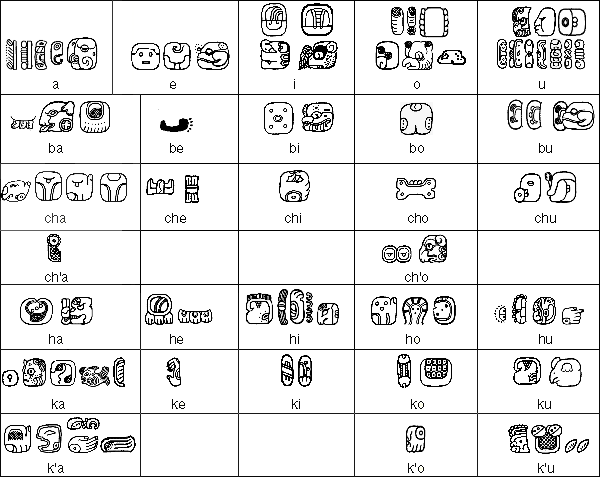
The Mayan script is logosyllabic combining about 550 logograms (which represent whole words) and 150 syllabograms (which represent syllables). There were also about 100 glyphs representing place names and the names of gods. About 300 glyphs were commonly used.
Examples of the script have been found carved in stone and written on bark, wood, jade, ceramics, and a few manuscripts in Mexico, Guatemala and northern Belize.
Many syllables can be represented by more than one glyph
The script was usually written in paired vertical columns reading from left to right and top to bottom in a zigzag pattern.
http://www.omniglot.com/writing/mayan.htm
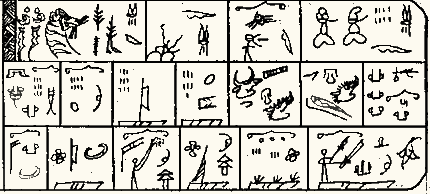
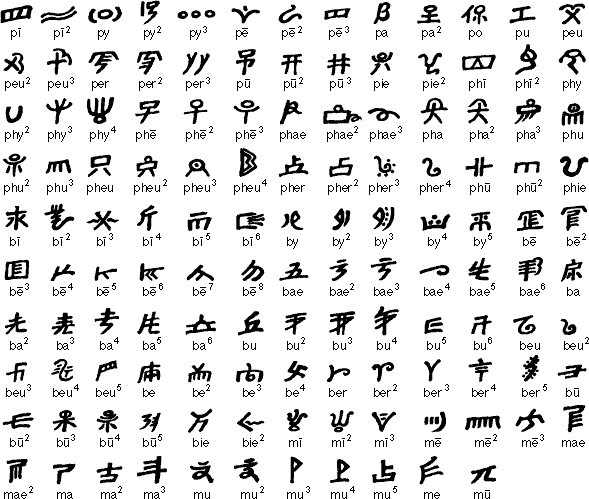
ÕâÀïÔÙÉÏÁ½°æÖйúÔÆÄÏÄÉÎ÷×åµÄ¶«°Íͼ×Ö£¬ÒÔ¹²²ÎÕÕ£º
Please paste HTML code and press Enter.
(c) 2010 Maya Chilam Foundation