

Thanks weili :-))
Ô¶Óë½ü
ÍÐÂí˹ ÎÖ¶û·ò (ÃÀ¹ú 1900-1938)
ÔÚСÕò½¼ÍâÀëÌú·²»Ô¶µÄÍÁÆÂÉÏ£¬ÓÐÒ»Ëù×°ÓбðÖµÄÂÌÉ«°ÙÒ¶´°µÄ½à°×СľÎÝ¡£ÎÝ×ÓµÄÒ»²àÊǸöÔ°×Ó£¬ÀïÃ漸¿é²ËµØ¹¹³ÉÕûÆëµÄͼ°¸£¬»¹ÓÐÒ»¸ö°ËÔÂÄ©½á×ÅÊìÆÏÌѵļÜ×Ó¡£ÎÝÇ°ÓÐÈý¿Ã´óÏðÊ÷£¬ÏÄÌìÒÔËüŨÓôµÄÊ÷ÒñÕÚ±Î×ÅСÎÝ¡£ÁíÒ»²à£¬Éú»ú°»È»µØ³¤×ÅÒ»ÁïÏÊ»¨£¬ÓëÁÚ¾ÓΪ½ç¡£Õû¸ö»·¾³ÃÖÂþ×ÅÒ»ÖÖÕûÆë¡¢½Ú¼ó¶øÓÖÆÓËصÄÊæÊÊÆø·Õ¡£
ÿÌìÏÂÎçÁ½µã¹ý¼¸·Ö£¬¾ÍÓÐÒ»Á¾Çø¼äÌØ¿ìÁгµÂ·¹ýÕâÀï¡£Õâʱ£¬Õâ¸öÅÓÈ»´óÎ¸ÕÔÚ¸½½üµÄСÕòÉÏͣϴÁË¿ÚÆø£¬Õý¿ªÊ¼ÓнÚ×àµØÉìÕ¹¿ªÉíÌ壬µ«»¹Ã»ÓдﵽËüÈ«ËÙÇ°½øµÄ¿Éų̶ȡ£Ëü´Ó´ÓÈÝÈݵØÔ¾ÈëÊÓÒ°£¬Ëæ×ÅÕôÆø»úÇ¿ÓÐÁ¦µÄת¶¯£¬ËüÒ»ÂÓ¶ø¹ý£¬³ÁÖصijµÏáѹÔÚÌú¹ìÉÏ£¬·¢³öÒ»ÕóµÍ³ÁƽºÍµÄ¡¡Éù£¬È»ºó±ãÏûʧÔÚÔ¶´¦µÄÍäµÀÉÏÁË¡£Ã¿¸ôÒ»¶Î¾àÀ룬»ð³µ±ã½«Å¨ÑÌÅçÏòµÀÅԲݵصÄÉÏ·½¡£ÆðÏÈ£¬´ÓËüÅç³öŨÑ̵ĺð½ÐÉùÖпÉÒÔÌý³öËüÔÚÇ°½ø¡£×îºó£¬Ò»Çж¼Ìý²»¼ûÁË£¬Ö»ÓÐÄÇËÙ¶ÈÎȶ¨¶øÓнÚ×àµÄ³µÂÖÉù£¬½¥½¥ÏûʧÔÚÏÂÎçÁîÈËÀ§¾ëµÄ¼Å¾²ÖС£
¶þÊ®¶àÄêÀ´£¬Ã¿µ±ÕâÁлð³µÊ»½üСÎÝʱ£¬Ë¾»ú¾ÍÀÏìÆûµÑ£¬Ìý¼ûÕâÐźţ¬±ãÓÐÒ»¸öÅ®È˳öÏÖÔÚСÎݺóÃæµÄÃÅÀÈÀï²¢ÏòËû»ÓÊÖ¡£×î³õ£¬ËýÉí±ßÙËÒÀ×ÅÒ»¸öºÜСµÄº¢×Ó£¬ÏÖÔÚÕ⺢×ÓÒѾ³¤³ÉÒ»¸öÌå̬·áÂúµÄ¹ÃÄÿÌ죬ËýÈԾɺÍĸÇ×Ò»¿éµ½ÃÅÀÈÈ¥ÏòËûÕÐÊÖ¡£
˾»ú¾ÍÕâÑù³£Ä꿪×ųµ¡£ËûÀÏÁË£¬Í··¢±äµÃ»Ò°×¡£ËûÔø¾¼ÝÊ»ËûÄÇÖØÔØÂúÔ±µÄ¾Þ´ó»ð³µ£¬ÉÏÍò´ÎµØ´©Ô½´óµØ¡£Ëû×Ô¼ºµÄº¢×ÓÒѾ³¤´ó³ÉÈË£¬¶øÇÒ½áÁ˻顣ÔøÓÐËĴΣ¬ÔÚÇ°·½µÄ¹ìµÀÉÏ£¬Ëû¿´¼ûÄð³É±¯¾çµÄ¿Éŵĺڵ㣬Äý¾Û×Å¿Ö¾åµÄÒõÓ°£¬ÏñÅÚµ¯Ò»Ñù³¯×ųµÍ·Ö±Éä¹ýÀ´¡ª¡ªÒ»´ÎÊÇÒ»Á¾Çá±ãÂí³µ£¬³µÉϼ·ÂúÒ»ÅÅÅÅÃæÈݾª¿ÖµÄº¢×Ó£»ÁíÒ»´Î£¬Ò»Á¾õ¿½ÅµÄÆû³µÔÚÌú¹ìÉÏÅ×꣬³µÉϵÄÈ˶¼ÏŵôôÈôľ¼¦£»»¹ÓÐÒ»´Î£¬Ò»¸öÒÂÉÀñÜñÚµÄÁ÷À˺º×ßÔÚÌú·±ß£¬ËûÓÖÀÏÓÖÁû£¬ÍêÈ«Ìý²»¼ûÃùµÑµÄ¾¯¸æ£»ÓÖÒ»´Î´°ÄÚÓÐÈ˺öÈ»¼â½ÐÒ»ÉùÌøÁ˳öÈ¥¡ª¡ªÕâÒ»ÇÐËû¶¼¿´¼ûÁË£¬¶®µÃÁË£¬·²ÊÇÏñËûÕâÑùµÄÈËËùÄÜÁ˽âµÄ±¯°§¡¢»¶ÀÖ¡¢Î£ÏÕÒÔ¼°ÀÍÀÛ£¬Ëû¶¼Óöµ½¹ý¡£ÔÚÄÇÖÒʵµÄ·þÎñÖУ¬Ëû±¥¾·ç˪£¬±äµÃÂúÁ³ÖåÎÆ¡£ËûµÄ¹¤×÷ʹËûÑø³ÉÁ˾¡ÖÒÖ°ÊØ¡¢Ó¸ҺÍÇ«¹§µÄÆ·ÖÊ¡£ÏÖÔÚËûÀÏÁË£¬¾ß±¸ÁËËûÕâÒ»ÀàÈËÌØÓеÄÄÇÖÖ×ðÑϺÍÖǻۡ£
µ«ÊÇ£¬²»¹ÜËû¼û¹ýʲôÑùµÄΣÏպͱ¯¾ç£¬ÔÚËûÄÔº£ÀïÁôϵÄÓ¡Ï󶼲»ÈçÄÇ×ùСÎݺÍÄǻӶ¯¸ì²²´óµ¨¶ø×ÔÓɵØÏòËûÕÐÊÖµÄÅ®ÈËÀ´µÃÉî¿Ì¡£ÕâÓ¡ÏóÃÀºÃ¶ø³Ö¾Ã£¬³¬È»ÓÚÒ»Çбä¸üºÍ»ÙÃðÖ®ÉÏ£¬²»¹ÜÓöµ½Ê²Ã´ÑùµÄ²»ÐÒ¡¢±¯°§ºÍ¹ýʧ£¬´òÆÆËûÈÕ¸´Ò»ÈÕÌúÒ»°ãµÄʱ¼ä±í£¬Ëü×ÜÊÇÓÀºã²»±äµÄ¡£
Ò»¿´¼ûÕâ×ùСÎݺÍÁ½¸öÅ®ÈË£¬Ëû¾ÍÌåÑéµ½Ò»ÖÖ´ÓδÓйýµÄ¼«²»Ñ°³£µÄÐÒ¸£¡£ËûÔøÔÚһǧÖÖ¹âÏß¡¢Ò»°ÙÖÖÌìÆøÀï¼û¹ýËýÃÇ¡£ËûÔÚ¶¬Ìì»Ò°×¶ø´ÌÄ¿µÄÑô¹âÏ£¬¸ô×ű鲼Äý˪¸²¸ÇµÄ×ØÉ«¶Ì²çµÄÌïÒ°£¬Ô¶Íû¹ýËýÃÇ£ºËûÒ²ÔÚħÊõ°ãÓÕÈ˵ÄÂÌÉ«ËÄÔÂÀï¿´¼û¹ýËýÃÇ¡£
ÔÚËýÃÇÉíÉÏ£¬ÔÚËýÃÇËù¾ÓסµÄÄǼäСÎÝÉÏ£¬Ëû»³×ÅÒ»ÖÖ¸¸Ç׶ÔÇ×Éúº¢×Ó²ÅÓеÄÄÇÖÖÈáÇé¡£ËýÃÇÉú»îµÄͼ¾°Èç´ËÏÊÃ÷µØ¿ÌÓ¡ÔÚËûµÄÐÄÖУ¬ÖÕÓÚËûÈÏΪ×Ô¼ºÒÑÍêÈ«Á˽âÁËËýÃǵÄÉú»î£¬Ö±ÖÁËýÃÇÒ»ÌìÖеÄÿһСʱ£¬Ã¿Ò»·Ö£¬Ã¿Ò»Ãë¡£×îºóËû¾ö¶¨½«À´µ±ËûÍËÐÝʱ£¬ËûÒ»¶¨ÒªÈ¥Ñ°ÕÒËýÃÇ£¬¶ÔËýÃÇ˵˵»°¶ù¡£ÒòΪËûºÍËýÃÇÖ®¼ä£¬Éú»îÉÏÒѾÈç´ËµØÈÚ³ÉÒ»ÌåÁË¡£
ÕâÒ»ÌìÀ´µ½ÁË¡£Ë¾»úÖÕÓÚ×ßÏ»𳵣¬Ì¤ÉÏÔĄ̂£¬µ½´ïÁËÄÇÁ½¸öÅ®È˾ÓסµÄСÕò¡£ËûÔÚÌú¹ìÉÏÍù·µµÄËêÔÂÖÕ½áÁË¡£ËûÏÖÔÚÖ»ÊÇÌú·¹«Ë¾ÀïÏíÊÜÑøÀϽðµÄÖ°¹¤£¬Ã»ÓÐʲô¹¤×÷Òª×öÁË¡£ËûÂýÂýµØõâ³ö³µÕ¾×ßµ½½ÖÉÏ¡£Ð¡ÕòÀïµÄÒ»Çж¼ÏÔµÃÕâô²»ÊìϤ£¬¾ÍÏñËûÒÔÇ°´Óδ¼û¹ýËüÒ»Ñù¡£Ëû×ß×Å×ß×Å£¬½¥½¥Éú³öÒ»ÖÖÀ§»ó»ÅÂҵĸоõ¡£Õâ¹ûÕæÊÇËû¾¹ýÁËÉÏÍò´ÎµÄÄǸöСÕòÂð£¿ÕâЩ·¿ÎÝÄѵÀÕæÊÇËû´Ó¼ÝÊ»Êҵĸߴ°ÏòÍâ¿´µ½µÄÄÇЩ·¿ÎÝÂð£¿Ò»ÇоÍÏñÃÎÖеijÇÊÐÄÇÑùÉúÊ裬àÐÔÓ¡£Ëû×ß×Å£¬¾«ÉñÉÏãȻʧ´ëµÄ¸Ð¾õÓú¼ÓÇ¿ÁÒÁË¡£
ͻȻ£¬·¿Îݽ¥½¥Ï¡ÊèÁË£¬ËÄÉ¢³ÉСÕò±ßÇøµÄ´åÂ䣬´ó½ÖÒ²ÏûʧΪ´åµÀÁË¡ª¡ªÄÇÁ½¸öÅ®È˾ÍסÔÚÕâÌõ·±ß¡£ËûÔÚÑ×ÈȺͳ¾ÍÁÖÐÍÏ×ųÁÖصĽŲ½»ºÂýµØ×ß×Å£¬×îºóÖÕÓÚÕ¾ÔÚËûËùËÑÑ°µÄÄÇËù·¿ÎÝÃæÇ°ÁË¡£ËûÒ»¿´¾ÍÖªµÀ×Ô¼ºÕÒ¶ÔÁ˵ط½¡£Ëû¿´µ½ÎÝÇ°ÄǸߴóµÄÏðÊ÷¡¢»¨Ì³¡¢²ËÔ°ºÍÆÏÌѼܣ¬ÒÔ¼°Ô¶´¦ÉÁ¹âµÄÌú¹ì¡£
Êǵģ¬ÕâÕýÊÇËûËùÒªÕÒÑ°µÄÄÇ´±·¿×Ó£¬Ëû¿ª³µ¶à´Î¾¹ýµÄÄÇ¿éµØ·½£¬Ëû»³×ÅÈç´ËÐÒ¸£µÄ¸ÐÇéËùÒ»ÐÄÏòÍùµÄÄ¿µÄµØ¡£ÄÇôÏÖÔÚ£¬Ëû¼ÈÈ»ÒѾÕÒµ½ÁËËü£¬Ëû¼ÈÈ»ÒѾÀ´µ½Õâ¶ù£¬ÎªÊ²Ã´ËûµÄÊÖ»¹Î·Ëõ×Ų»¸ÒÍÆÃÅ£¿ÎªÊ²Ã´Õâ³ÇÕò£¬ÕâµÀ·£¬ÕâÍÁµØ£¬ÕâͨÍùËûÈÈ°®Ö®µØµÄÈë¿Ú£¬È´±ä³ÉÏñijЩ³ó¶ñµÄÃξ³Öеľ°É«Ò»ÑùÄÇôİÉúÄØ£¿ÎªÊ²Ã´ÏÖÔÚËû¸Ðµ½ÕâôáÝá廳Òɺ;øÍûÄØ£¿
×îºó£¬Ëû×ß½øÀéÃÅ£¬ÂýÂýµØÑØС·×ß×Å£¬²»¾Ã±ãµÇÉÏÁËͨÍùÃÅÀȵÄÈý¼¶°«Ê¯½×¡£ËûÇÃÁËÇÃÃÅ¡£ºÜ¿ì±ãÌý¼û´óÌüÀïÓнŲ½Éù£¬ÃÅ¿ªÁË£¬Ò»¸öÅ®ÈËÕ¾ÔÚËûµÄÃæÇ°¡£
Çê¿Ì¼ä£¬Ëû¸Ðµ½Ò»Õ󼫶ȵÄʧÍûºÍÉËÐÄ£¬¶øÇÒºó»ÚÀ´µ½Õâ¶ù¡£ËûÒ»ÑÛ¾ÍÈϳö£ºÏÖÔÚÕ¾ÔÚÃæÇ°ÒÔÒ»ÖÖ²»ÐÅÈεÄÄ¿¹â¿´×Å×Ô¼ºµÄÅ®ÈËÕýÊÇÔÀ´ÄǸöÔø¾ÏòËûÕйýǧÍò´ÎÊÖµÄÅ®ÈË¡£µ«ËýµÄÃæÈÝÈ´ÊÇÉúÓ²¶øÏûÊÝ£¬Á³Éϵļ¡ÈâÎÞÁ¦µØËÉ´¹×Å£¬ÐγɻƻƵġ±¡°ÖåñÞ£¬Á½Ö»Ð¡ÑÛ¾¦³äÂú²ÂÒÉ£¬µ¨Çӵأ¬ã·ã·²»°²µØ´òÁ¿×ÅËû¡£¿´µ½Õâ°ãÇé¾°£¬Ìýµ½ÄDz»ÓѺõÄÑÔÓËùÓÐÄÇÒ»ÇУ¬ÄÇÖÖËû´ÓËýµÄÕÐÊÖÖÐËùÁìÎòµ½µÄÄǹɴ󵨡¢×ÔÓɺÍÇ×ÈȾ¢¶ù£¬Á¢¼´ÏûʧµÃÎÞÓ°ÎÞ×Ù¡£
ÏÖÔÚ£¬ËûÊÔͼ½âÊÍ£¬¸æËßËý×Ô¼ºÊÇË£¬ÎªÊ²Ã´»áÀ´µ½Õâ¶ù¡£Ëû¾õµÃ×Ô¼ºµÄÉùÒôÌýÉÏÈ¥¼È²»Õæʵ¶øÇÒ¿ÉÅ¡£µ«Ëû»¹ÊÇÖ§Ö§ÎáÎáµØ˵ÏÂÈ¥£¬Íç¹ÌµØÒÖÖÆ×ÅÓ¿ÉÏÐÄÍ·µÄÄÇÖÖ»ÚºÞ¡¢»ÅÂÒºÍÒɾ彻¼¯Ö®¸Ð¡£ÕâÖÖ¿Ö¾å¸ÐÔÚËûµÄÐÄÖв»¶ÏµØÉÏÓ¿¡£ÑÍûÁËËûµ±³õµÄÈ«²¿»¶ÀÖ£¬²¢Ê¹µÃËûΪ×Ô¼ºÄdzäÂúÏ£ÍûºÍÎÂÇéµÄ¾Ù¶¯¸Ðµ½ÐßÀ¢¡£
×îºó£¬ÕâÅ®È˼¸ºõÊDz»ÇéÔ¸µØÑûÇëËû½øÎÝ£¬¸ßÉù´Ì¶úµØ½Ð½øÁËËýµÄÅ®¶ù¡£Ëû¸Ðµ½Ò»ÕóÄÑ¿°£¬×øÔÚÒ»¼äÓÖСÓÖ³óµÄ¿ÍÌüÀ½ßÁ¦ÕÒһЩ»°Ëµ£¬¶øÁ½¸öÅ®ÈË¿´×ÅËû£¬Ä¿¹âÀﺬÓдôÖ͵ġ¢À§»ó²»½âµÄµÐÒâºÍÒõ³ÁµÄ¡¢Î·Çӵľн÷¡£
ºóÀ´Ëû½á½á°Í°ÍµØ¼òµ¥ËµÁËÉùÔÙ¼û£¬±ãÀ뿪ÁË¡£ËûÑØ×ÅС·×ßÁË£¬ÔÙ˳×Å´óµÀ×ßµ½ÕòÉÏ¡£Í»È»¼äËûÒâʶµ½×Ô¼ºÒѾÊÇÒ»¸öÀÏÈËÁË¡£¶Ô×ÅÄÇÉìÏòÔ¶·½µÄ¡¢ÊìϤµÄÌú¹ìʱ£¬ËûÄÚÐÄÔøÊÇÄÇÑùÓ¸ң¬³äÂú×ÔÐÅ£¬ÏÖÔÚ£¬ÔÚÕâƬİÉú¶øÓÖ²»ÈÝÖÃÒɵĴóµØÃæÇ°£¬ËûÐÄÀï³äÂúÁË»³ÒÉ¡¢¿Ö¾åºÍÑá¾ë¡£ÄÇ¿éÍÁµØÀëËû²»¹ýÒ»¼ýÖ®Ò££¬È»¶øËûûÓп´¹ýÒ»ÑÛ£¬Ò²²»Á˽⡣ËûÃ÷°×ÁË£¬Ëû¸ÕʧȥÁ˹âÉÁÉÁµÄÌú·µÄÒ»ÇÐħÁ¦£¬ÄÇÌõÃ÷ÁÁµÄÌú¹ìÒýÏòµÄÔ¶¾°£¬»¹ÓÐËû»³×ÅÏ£Íû×·Çó×ŵÄÃÀºÃµÄССÊÀ½çÀïÄÇÒ»¿é»ÃÏëµÄ½ÇÂ䣬Ҳ¶¼Ò»È¥²»¸´·µ£¬ÔÙÒ²µÃ²»µ½ÁË¡£
The Far and the Near
by Thomas Wolfe
On the outskirts of a little town upon a rise of land that swept back from the railway there was a tidy little cottage of white boards, trimmed vividly with green blinds. To one side of the house there was a garden neatly patterned with plots of growing vegetables, and an arbor for the grapes which ripened late in August. Before the house there were three mighty oaks which sheltered it in their clean and massive shade in summer, and to the other side there was a border of gay flowers. The whole place had an air of tidiness, thrift, and modest comfort.
Every day, a few minutes after two o¡¯clock in the afternoon, the limited express between two cities passed this spot. At that moment the great train, having halted for a breathing-space at the town near by, was beginning to lengthen evenly into its stroke, but it had not yet reached the full drive of its terrific speed. It swung into view deliberately, swept past with a powerful swaying motion of the engine, a low smooth rumble of his heavy cars upon pressed steel, and then it vanished in the cut. For a moment the progress of the engine could be marked by heavy bellowing puffs of smoke that burst at spaced intervals above the edges of the meadow grass, and finally nothing could be heard but the solid clacking tempo of the wheels receding into the drowsy stillness of the afternoon.
Every day for more than twenty years, as the train had approached this house, the engineer had blown on the whistle, and every day, as soon as she heard this signal, a woman had appeared on the back porch of the little house and waved to him. At first she had a small child clinging to her skirts, and now this child had grown to full womanhood, and every day she, too, came with her mother to the porch and waved.
The engineer had grown old and gray in service. He had driven his great train, loaded with its weight of lives, across the land ten thousand times. His own children had grown up, and married, and four times he had seen before him on the tracks the ghastly dot of tragedy converging like a cannon ball to its eclipse of horror at the boiler head¡ªa light spring wagon filled with children, with its clustered row of small stunned faces; a cheap automobile stalled up the tracks, set with the wooden figures of people paralyzed with fear; a battered hobo walking by the rail, too deaf and old to hear the whistle¡¯s warning; and a form flung pas his window with a scream¡ªall this he had seen and known. He had known all the grief, the joy, the peril and the labor such a man could know; he had grown seamed and weathered in his loyal service, and now, schooled by the qualities of faith and courage and humbleness that attended his labor, he had grown old, and had the grandeur and the wisdom these men have.
But no matter what peril or tragedy he had known, the vision of the little house and the women waving to him with a brave free motion of the arm had become fixed in the mind of the engineer as something beautiful and enduring, something beyond all change and ruin, and something that would always be the same, no matter what mishap, grief or error might break the iron schedule of his days.
The sight of this little house and these two women gave him the most extraordinary happiness he had ever known. He had seen them in a thousand lights, a hundred weathers. He had seen them through the harsh light of wintry gray across the brown and frosted stubble of the earth, and he had seen them again in the green luring sorcery of April.
He felt for them and for the little house in which they lived such tenderness as a man might feel for his own children, and at length the picture of their lives was carved so sharply in his heart that he felt that he knew their lives completely, to every hour and moment of the day, and he resolved that one day, when his years of service should be ended, he would go and find these people and speak at last with them whose lives had been so wrought into his own.
That day came. At last the engineer stepped from a train onto the station platform of the town where these two women lived. His years upon the rail had ended. He was a pensioned servant of his company, with no more work to do. The engineer walked slowly through the station and out into the streets of the town. Everything was as strange to him as if he had never seen this town before. As he walked on, his sense of bewilderment and confusion grew. Could this be the town he had passed ten thousand times? Were these the same houses he had seen so often from the high windows of his cab? It was all as unfamiliar, as disquieting as a city in a dream, and the perplexity of his spirit increased as he went on.
Presently the houses thinned into the straggling outposts of the town, and the street faded into a country road¡ªthe one on which the women lived. And the man plodded on slowly in the heat and dust. At length he stood before the house he sought. He knew at once that he had found the proper place. He saw the lordly oaks before the house, the flower beds, the garden and the arbor, and farther off, the glint of rails.
Yes, this was the house he sought, the place he had passed so many times, the destination he had longed for with such happiness. But now that he had found it, now that he was here, why did his hand falter on the gate; why had the town, the road, the earth, the very entrance to this place he loved turned unfamiliar as the landscape of some ugly dream? Why did he now feel this sense of confusion, doubt and hopelessness? At length he entered by the gate, walked slowly up the path and in a moment more had mounted three short steps that led up to the porch, and was knocking at the door. Presently he heard steps in the hall, the door was opened, and a woman stood facing him.
And instantly, with a sense of bitter loss and grief, he was sorry he had come. He knew at once that the woman who stood there looking at him with a mistrustful eye was the same woman who had waved to him so many thousand times. But her face was harsh and pinched and meager; the flesh sagged wearily in sallow folds, and the small eyes peered at him with timid suspicion and uneasy doubt. All the brave freedom, the warmth and the affection that he had red into her gesture, vanished in the moment that he saw her and heard her unfriendly tongue.
And now his own voice sounded unreal and ghastly to him as he tried to explain his presence, to tell her who he was and the reason he had come. But he faltered on, fighting stubbornly against the horror of regret, confusion, disbelief that surged up in his spirit, drowning all his former joy and making his act of hope and tenderness seem shameful to him.
At length the woman invited him almost unwillingly into the house, and called her daughter in a harsh shrill voice. Then, for a brief agony of time, the man sat in an ugly little parlor, and he tried to talk while the two women stared at him with a dull, bewildered hostility, a sullen, timorous restraint.
And finally, stammering a crude farewell, he departed. He walked away down the path and then along the road toward town, and suddenly he knew that he was an old man. His heart, which had been brave and confident when it looked along the familiar vista of the rails, was now sick with doubt and horror as it saw the strange and unsuspected visage of the earth which had always been within a stone¡¯s throw of him, and which he had never seen or known. And he knew that all the magic of that bright lost way, the vista of that shining line, the imagined corner of that small good universe of hope¡¯s desire, could never be got again.


- Re: [转载]远与近 (çŸç¯‡å°�说欣èµ�)posted on 10/23/2006
ϲ»¶Ð¡ËµÊ«ÒâÃèдµÄ·ç¸ñ£º£©
Êǵģ¬ÕâÕýÊÇËûËùÒªÕÒÑ°µÄÄÇ´±·¿×Ó£¬Ëû¿ª³µ¶à´Î¾¹ýµÄÄÇ¿éµØ·½£¬Ëû»³×ÅÈç´ËÐÒ¸£µÄ¸ÐÇéËùÒ»ÐÄÏòÍùµÄÄ¿µÄµØ¡£ÄÇôÏÖÔÚ£¬Ëû¼ÈÈ»ÒѾÕÒµ½ÁËËü£¬Ëû¼ÈÈ»ÒѾÀ´µ½Õâ¶ù£¬ÎªÊ²Ã´ËûµÄÊÖ»¹Î·Ëõ×Ų»¸ÒÍÆÃÅ£¿ÎªÊ²Ã´Õâ³ÇÕò£¬ÕâµÀ·£¬ÕâÍÁµØ£¬ÕâͨÍùËûÈÈ°®Ö®µØµÄÈë¿Ú£¬È´±ä³ÉÏñijЩ³ó¶ñµÄÃξ³Öеľ°É«Ò»ÑùÄÇôİÉúÄØ£¿ÎªÊ²Ã´ÏÖÔÚËû¸Ðµ½ÕâôáÝá廳Òɺ;øÍûÄØ£¿
- Re: [转载]远与近 (çŸç¯‡å°�说欣èµ�)posted on 10/23/2006
Õâ¾ÍÊÇÎÒÃÇËùνµÄ¾àÀëÃÀºÍ¼û¹âËÀ:- ))
¹àË®²»ÈçÁÄÌì
ÁÄÌì²»ÈçÍøÁµ
ÍøÁµ²»ÈçÏà¼û
Ïà¼û²»È绳Äî
»³Äî²»Èç¿´ÕÕƬ
....... - posted on 10/24/2006
ÄÇÎÒÃǾͿ´ÕÕƬ°É£º£©£©
È¥ÄêÔÚÍÐÂí˹¡£Îé¶û·òµÄ¼ÍÄî¹ÝÕյġ£Õâ¾ÍÊÇËûÔÚ¡°Ììʹ£¬Íû¹ÊÏ硱ÀïµÄÄϹú±ö¹Ý¡£ËûµÄÀϼң¬Î»ÓÚAsheville, North Carolina¡£ÄÇÊÇÎҵij¯Ê¥Ö®Âá£
Ò»Ö±ÏëдËûµÄ¹ÊÊ£¬È´ÓÀԶд²»Íê¡£¾Í°ÑËùдµÄƬ¶Ï·ÅÔÚÕâÀïÁË¡£
WOA wrote:
Õâ¾ÍÊÇÎÒÃÇËùνµÄ¾àÀëÃÀºÍ¼û¹âËÀ:- ))
¹àË®²»ÈçÁÄÌì
ÁÄÌì²»ÈçÍøÁµ
ÍøÁµ²»ÈçÏà¼û
Ïà¼û²»È绳Äî
»³Äî²»Èç¿´ÕÕƬ
.......


Îé ¶û ·ò µÄ ¹Ê Ïç
Æß ÔÂ
ÄÇÊǺܶàÄêÒÔÇ°µÄÊÂÇéÁË£¬ÔÚ±±¾©Ò»¼ÒССµÄÊéµêÀ·¢ÏÖÁËÒ»Ì×Á½±¾, ÇÇÖ¾¸ß ÏÈÉúÒëµÄÍÐÂí˹ . Îé¶û·òµÄ <<Ììʹ, Íû¹ÊÏç>>¡£ ËæÊÖ·µ½µÚÒ»Ò³, ÊÇÊ×Ï×Ê«:
¡°ÄÇÄ©, ¾ÍÏóÎÒÕû¸öµÄÐÄÁé,
°²¾ÓÓÚÄ㻳ÖеÄÀÖÔ°,
(ΨÓÐÄãÊÇÎҳɳ¤, ¼ûʶµÄËùÔÚ)
ÎÒµÄÉíÌå, ½î¹ÇµÄ¶°Áº
ÒÀÈ»¸½×ÅÄã, Îҵļ¡Èâ, ѪÂö,
ÆÌÆö×ÅÕâ´±ÎÝÓî, »¹»Ø¹éÀ´¡£¡±
ÎÒÂòÏÂÁËÕâÌ×Êé¡£ ´Ó´Ë, Ëü°éËæ×ÅÎÒ×ßÍêÁËÒ»ÄêÓÖÒ»ÄêµÄ´ºÏÄÇﶬ; ̤¹ýÁËǧɽÍòË®¡£ Îé¶û·ò, ÄãÊÇÎÒÓÀÔ¶µÄÌìʹ£¬ÔÚÄãµÄ×ÖÀïÐм䣬ÈÕÈÕÒ¹Ò¹£¬ÎÒÃÇÒ»Æð»ØÊ×¹ÊÏç¡£
<<Ììʹ, Íû¹ÊÏç>>£¬ ÊÇÎé¶û·òµÄµÚÒ»±¾×Ô´«ÌåС˵¡£
Ò»£® Ìì ʹ µÄ ÃÎ
ÍÐÂí˹. Îé¶û·òÔÚ<<Ììʹ, Íû¹ÊÏç>> µÄÇ°ÑÔÖиæ½ë¶ÁÕß: ¡°ÕâÊÇÒ»±¾´¦Å®×÷, ×÷ÕßÔÚÊéÖÐдµÄÊÇËû¸öÈ˵ľÑé, ÏÖÔÚÒÑÒ£Ô¶, ʧÂäÁË, ¿ÉÊÇÒ»¶ÈÔøÊǽ»Ö¯ËûÉú»îÖеÄÒ»²¿·Ý¡¡¡£¡±
ÍÐÂí˹. Îé¶û·ò³öÉúÓÚ Ò»¾ÅÁãÁãÄêÊ®ÔÂÈýÈÕ¡£ËûµÄ¼ÒÏçÊÇÃÀ¹ú±±¿¨Öݵݢʷά¶û¡£°¢Ê·Î¬¶û×ùÂäÓÚ´óÑÌɽÂöÖÐ, ÊÇÒ»¸öÖвú½×¼¶µÄ¶È¼ÙʤµØ¡£ËûµÄ¸¸Ç×ÍþÁ®Ä·. Îé¶û·òÊÇÒ»¸öʯ½³, ¿ªÁËÒ»¼äű®×÷·»; ËûµÄĸÇ×ÖìÀöÑDzÙ×÷×ÅÒ»¼Ò¿ÍÕ»¡£ÉÏÓÐÁ½¸ö½ã½ã, Ëĸö¸ç¸ç£¬ËûÊÇ×îСµÄ¡£<<Ììʹ, Íû¹ÊÏç>>£¬ÒÔËûµÄ¼ÒÍ¥ºÍ¼ÒÏçΪÔÐÍ£¬ÓÐÉùÓÐÉ«µØÃèдÁËÃÀ¹úÄÏ·½Ð¡³ÇÊеÄÉú»î¡£
¡°ÎÒÃÇÿ¸öÈ˱³ºóÓÐÊý²»¾¡µÄÒò¹û¡±¡£°ÂÀû·ð.¸ÊµÂ (ÒÔÍþÁ®Ä·.Îé¶û·òΪÔÐÍ) ÊÇÒ»¸öÓ¢¹úÄÐÈ˺ͺÉÀ¼Å®È˵Ķù×Ó, ³öÉúÔÚ±öÎ÷·¨ÄáÑǵÄÒ»¸öÅ©³¡Àï¡£15 Ëêʱ, ÔڰͶûµÄĦµÄ½ÖÉÏ, ¡°Ò»ÑÛƳ¼ûСµêÀï³ÂÁеÄÒ»¿éÒ»¿é±êÖ¾ËÀÍöµÄ´óÀíʯ, ÉÏÃæµñ¿ÌÁËСÃÞÑòºÍ³¤³á°òµÄÏÉͯ, ºÍõÚ×Åһ˫±ùÀäÊÝСµÄ½ÅµÄʯͷÌìʹ, ÌìʹµÄ×ì±ßº¬×Åһ˿ÎÂÈá, ÄýÖ͵Ä΢Ц¡¡.¡± Ëû ÂíÉÏÖªµÀÕâÊÇËûÕâ±²×ÓÏëÒªµÄ¶«Î÷ÁË¡£
¿ÉÊÇ, ËûûÓÐѧ»áµñ¿ÌÌìʹ, È´¹íʹÉñ²îµÄ¶¨¾ÓÔÚÒ»¸öСɽ³Ç Àï, ¿¿×ŸøËÀÈË¿Ìű®ÎªÉú¡£È¢ÁËÒ»¸ö¼æÓÐËÕ¸ñÀ¼ºÍÓ¢¸ñÀ¼ÑªÍ³µÄµ±µØÅ®ÈËΪÆÞ, ÉúÁËÒ»¶Ñº¢×Ó¡£ÌìʹµÄÍ·ÏñÓÀÔ¶µÄʧÂäÔÚÒ£Ô¶µÄÃÎÀïÁË¡£
¶þ. ÄÏ ¹ú ±ö ¹Ý
°ÂÀû·ðÊǸö¹ÇÊÝÈç²ñµÄÁùÓ¢³ßËĵÄÑî»ùºº×Ó: Á½ÑÛÀäÄ®, ϲ°®É¯Ê¿±ÈÑÇ, ×ßÔÚ·ÉÏÁ½ÊֱȱȻ®»®, ÂîÆðÈËÀ´ÕñÕñÓдÊ; ¹ä¼ËÔº, È÷¾Æ·è, ÀÇÍÌ»¢ÑÊ, ÉúÁú»î»¢, ÈÈ°®¼ÒÍ¥, ÊÖµ½Ö®´¦ÐÀÐÀÏòÈÙ, ·±»¨Ëƽõ¡£ËûÒ»ÉúÖÜÓÎËÄ ·½, Ñ°ÕÒËûµÄÌìʹ¡£ ×îºó, ËûÔÚËûµÄÆÌ×ÓµÄÃÅÀÈÉÏ, ·ÅÁËÒ»×ùÒ»Á³ÉµÐ¦µÄÌìʹʯÏñ¡£
ËûµÄÌ«Ì«ÒâÀ³É¯ÈÏΪÈËËÀµÃÌ«ÂýÁË, µ¥¿¿ËÀÍöÊÇ·¢²»Á˲Ƶġ£ËýµÄѪҺÀïÓÐ×ÅÒ»¹É¶Ô²úÒµºÍ²Æ¸»µÄ²»¿ÉãýÃðµÄÓûÍûºÍ¼¢¿Ê; ËýµÄÍ·ÄÔÀïÈûÂúÁ˵ØƤµÄ¼Û¸ñºÍ³ÇÊеÄÕ¹Ïò¡£

- Re: [转载]远与近 (çŸç¯‡å°�说欣èµ�)posted on 10/24/2006
July£¬ÄãÏþµÃTomÓÐÑÏÖؽãµÜÁµµÄ¹ý½Ú£¿ºÜ±ßÔµµÄ±ßԵŶ¡£
July wrote:
ÄÇÎÒÃǾͿ´ÕÕƬ°É£º£©£©
- Re: [转载]远与近 (çŸç¯‡å°�说欣èµ�)posted on 10/24/2006
ÊÇ°¡£¬ÄÇÊ×Ê«¾ÍÊÇËûд¸øËûµÄÇéÈË£¬´óËû19ËêµÄÓÌÌ«Îę̀Éè¼Æʦ¡£
WOA wrote:
July£¬ÄãÏþµÃTomÓÐÑÏÖؽãµÜÁµµÄ¹ý½Ú£¿ºÜ±ßÔµµÄ±ßԵŶ¡£
July wrote:
ÄÇÎÒÃǾͿ´ÕÕƬ°É£º£©£©
- Re: 托马斯。ä¼�尔夫的å¦æ ¡ã€‚University of North Carolinaposted on 10/24/2006
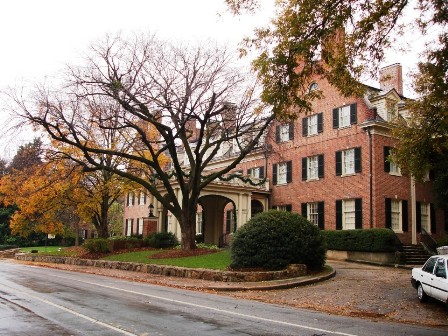
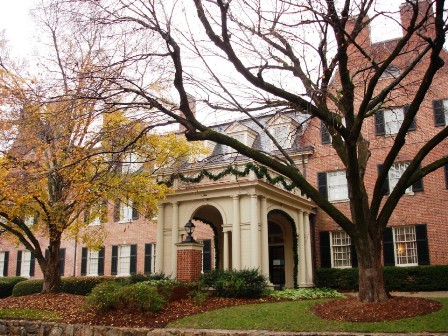
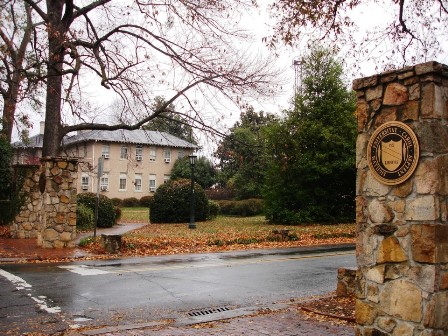
- Re: 托马斯。�尔夫的天使posted on 10/24/2006
"...by the door, he put the heavy simpering figure of an angel.
...it had come from Carrara in Italy, and it held a stone lily delicately in one hand. The other hand was lifted in benediction, it was poised clumsily upon the ball of one phthisic foot, and its stupid white face wore a smile of soft stone idiocy."
From Look Homeward, Angel
The angel now stands in Oakdale Cemetery in Hendersonville, North Carolina.

Please paste HTML code and press Enter.
(c) 2010 Maya Chilam Foundation