

Ïл°ÉϹÅÈËÀàǨÒÆÊ·
°Ëʮһ×Ó
´óÔ¼ËÄÊ®µ½¶þÊ®ÍòÄêÇ°£¬·ÇÖÞ¶«²¿µÄÔʼÈËȺÀï·¢ÉúÁËһЩ»ùÒòÍ»±ä£¬²úÉúÁËÒ»¸öеÄÖÖȺ¡£ÕâȺÈ˵ÄÌصãÊÇÓз¢´ïµÄ´óÄÔ¡£ËûÃǵijÉÄêÈ˵ÄÄÔÈÝÁ¿¸ß´ï1300ºÁÉý£¬´ó´ó³¬¹ýÁ˱ðµÄÔʼÈ˵Ä800µ½1100ºÁÉýÄÔÈÝÁ¿¡£ÎÒÃÇÏÖÔÚ°ÑÕâ¸öÈËÖÖ½Ð×öÖÇÈË(Homo sapiens)¡£ÖÇÈËÃÇÒÐÕÌËûÃǵÄÖÇÁ¦£¬ÔÚ·ÇÖ޹㷺·Ö²¼¿ªÀ´¡£¾¹ý¼¸ÍòÄêµÄ°ÏÉ棬ËûÃǵÄ×ã¼£µ½´ïÁË·ÇÖÞ¶«±±½ÇµÄ°£Èû¶í±ÈÑǵØÇø£¬Î÷·ÇµÄ¸Õ¹ûºÓ¹È£¬ÏóÑÀº£°¶£¬ÄϷǵĺÃÍû½Ç¡£
Ê®¶þÍòÄêÇ°£¬Ò»ÈºÖÇÈË´©¹ý·ÇÖÞ±±²¿¡¢ÄÇʱºò»¹ÊÇÂÌÉ«µÄÈö¹þÀµØÇø£¬Ñغ캣ÄÏ°¶À´µ½ºìº£±±¶Ë£¬ÔÚÅ·ÑÇÖ®¼äµÄ°£¼°µÄÄáÂÞºÓÁ÷ÓòºÍµØÖк£¶«°¶¶¨¾Ó¡£²»ÐÒµÄÊÇ£¬Ê®ÍòÄêÇ°µÄÒ»´Î±ù´¨ÆÚ°Ñ´óÁ¿µØÃæË®´¢²Øµ½±ù´¨À¶á×ßÁËˮԴ£¬°Ñ·ÇÖÞ±±²¿ºÍÑÇÖ޵İ¢À²®°ëµºµÄ´ó²¿·ÖµØÇø±ä³ÉÁËɳĮ¡£ÕâȺÏÈÇýÕßµÄ×ã¼£ÏûʧÁË¡£ÖÇÈË×ß³ö·ÇÖ޵ĵÚÒ»´Î³¢ÊÔʧ°ÜÁË¡£
´óÔ¼¾ÅÍòÄêÇ°£¬ÖÇÈ˵ڶþ´Î×ß³ö·ÇÖÞ¡£°£Èû¶í±ÈÑÇÒ»´øµÄÓæÃñ¶É¹ýºìº£º£¿Ú£¬½øÈë°¢À²®°ëµºÄ϶ˡ£ÔÚ½ÓÏÂÀ´µÄÁ½ÍòÄêÀÕâȺÈËÑØ×Å°¢À²®º£µÄº£°¶ÏßÀ´µ½Î÷ÄÏÑǵÄÒÁÀÊ¡¢°Í»ù˹̹¡¢Ó¡¶È£¬ÔÙÑØ×ÅÓ¡¶ÈÑó±±°¶µ½´ïÓ¡¶ÈÖ§Äǰ뵺Ñغ£ºÍÄÏÑóȺµº£¬×îºóÀ´µ½ÏÖÔÚµÄÖйú¹ã¶«¡¢¸£½¨Ñغ£¡£µØÇòÉÏÏÖ´æµÄÈËÀ࣬ÎÞÂÛסÔÚÈκÎÒ»¸ö½ÇÂ䣬¶¼ÊÇÕâ´Î×ß³ö·ÇÖÞµÄÕâȺÖÇÈ˵ĺó´ú¡£
×ß³ö·ÇÖÞµÄÖÇÈËÓÖÒ»´ÎÔâÓöÒ»³¡¼¸ºõÃ𶥵ÄÔÖÄÑ¡£ÆßÍòËÄǧÄêÇ°£¬Ó¡¶ÈÄáÎ÷ÑǵÄËÕÃÅ´ðÀ°µºÍаͻðɽ´ó±¬·¢£¬»ðɽ»Ò¸²¸ÇÓ¡¶È¡¢°Í»ù˹̹Éî´ïÎåÃ×£¬²¢Ôì³É³¤´ïÁùÄêµÄ¡°ºË¶¬Ì족ºÍһǧÄêµÄ±ù´¨ÄÏÇÖ¡£ÕⳡÔÖÄÑÃð¾øÁËÄÏÑǴδó½µÄÈË¿Ú£¬Ê¹µÃ×ß³ö·ÇÖÞµÄÈ«²¿ÖÇÈË×ܹ²Ö»Ê£ÏÂÁËÒ»ÍòÈË×óÓÒ¡£²»ÐÒÖеĴóÐÒÊÇ£¬Ê£ÏÂÀ´µÄÖÇÈËÔÚ°¢À²®°ëµº£¬Î÷ÑǵÄÒÁÀÊ£¬ºÍ¶«ÄÏÑǵÄÑغ£µØÇø´æ»îÏÂÀ´¡£
´óÔ¼ÆßÍòÄêÇ°£¬ÌÓ¹ýÔÖÄѵÄÖÇÈ˼ÌÐøÏòËÄÃæ°Ë·½½ø·¢¡£ÔÚ¶«ÄÏÑǵÄÖÇÈË·ÖΪÈý·£¬Ò»Â·Íù±±½øÈ붫ÑÇ£¬Ò»Â·ÍùÄϽøÈë°Ä´óÀûÑÇ£¬Áíһ·ÍùÎ÷ÔٴνøÈëÓ¡¶È¡£ÔÚ°¢À²®°ëµººÍÒÁÀʵØÇøµÄÖÇÈËÒ²·ÖΪÁ½Â·£¬Ò»Â·ÍùÎ÷±±½øÈëÎ÷ÑÇ£¬µ½´ïºÚº££¬²¢ÔÚÎåÍòÄêÇ°ÑØ×Ŷà觺ӽøÈëÅ·ÖÞ£¬Áíһ·´ÓÎ÷ÑÇÍùÄÏÖØнøÈëÓ¡¶È£¬Óë´Ó¶«ÄÏÑÇ»ØÀ´µÄÖÇÈË»áʦ¡£
´óÔ¼ÔÚËÄÍòÄêÇ°£¬ÔÚÎ÷ÑǵÄÈËȺ·ÖÁ½Â·ÏòµØÖк£ÄÏ°¶ºÍÖÐÑÇƽÔÀ©ÕÅ¡£»ª±±¡¢»ªÄϵÄÈËȺÔòÏòÀ¥ÂØɽ´µÄÇà²Ø¸ßÔ¡¢ÑÇÖÞ±±²¿µÄÃɹŵØÇøºÍÎ÷²®ÀûÑÇÔÒ°½ø·¢£¬²¢µÇÉÏÁËÈÕ±¾Èºµº¡£´óÔ¼ÔÚ¶þÍòÎåǧÄêÇ°£¬ÖÐÑÇ¡¢±±ÑÇ¡¢¶«ÑǵÄÈËȺ·Ö±ðͨ¹ýÎ÷²®ÀûÑÇ£¬Ô½¹ý±ù¶³µÄ°×ÁϿ£¬À´µ½±±ÃÀÖ޵İ¢À˹¼Ó¡£Ò»²¿·ÖÈ˼ÌÐøÍù¶«Ç°½ø£¬µ½´ï´óÎ÷ÑóÑØ°¶¡¢ÏÖÔÚµÄÃÀ¹úÐÂÓ¢¸ñÀ¼µØÇø¡£
Õâʱºò·¢ÉúÁËÈËÀàǨÒÆÊ·ÉϵĵÚÈý´Î´óÔÖÄÑ¡£ÀúÊ·ÉÏ×î½üÒ»´Î±ù´¨ÆÚ´Ó¶þÍò¶þǧÄêÇ°¿ªÊ¼£¬³ÖÐøÊýǧÄ꣬°ÑÅ·ÑDZ±²¿ºÍÃÀÖÞ±±²¿±ä×öÎÞÛóµÄ±ùÔ¡£±±Î³55¶ÈÏßÒÔ±±µÄÈËÀà³ýÁ˼¸¸ö¹ÂÁ¢µÄ±ÜÄÑËù£¬È«²¿Ãð¾ø¡£ÑÇÖÞÓëÃÀÖÞÖ®¼äµÄÈËÀàǨÒÆÍùÀ´¾Í´Ë¶Ï¾ø¡£
Õâ´Î±ù´¨ÆÚÔÚ¾à½ñÒ»Íò°ËǧÄêʱ´ïµ½¶¥µã¡£±ù´¨ÍËËõºó£¬Å·ÑÇ´ó½±ù¶³ÏßÒÔÄϵÄÈËȺÏȺó½øÈëÐÂʯÆ÷ʱ´ú£¬·¢Õ¹Á˶àÖÖ¶àÑùµÄÓïÑÔºÍÎïÖÊÎÄÃ÷¡£±±ÃÀÖÞ¶«°¶µÄÈËȺÔò¼ÌÐøÏòÄϽø·¢£¬µ½´ïÄÏÃÀÖÞ¶«°¶¡£±±ÃÀÖÞÎ÷°¶µÄÈËȺҲËæºóÀ´µ½ÄÏÃÀ£¬¿ª·¢ÁËÄÏÃÀÖÞÎ÷°¶¡£ÖÁ´Ë£¬ÖÇÈËÍê³ÉÁËÔÚÈ«ÊÀ½çµÄǨÒƺÍÍØÕ¹¡£
ÎÒÃÇÊÇÔõÑùÖªµÀÕâÒ»ÇеÄÄØ£¿ÕâЩ֪ʶÖ÷ÒªÀ´×Ô¶ÔÄ¿Ç°ÊÀ½ç¸÷µØÈËȺµÄÒÅ´«»ùÒòµÄ²âÁ¿Êý¾Ý¡£½üÄêÀ´£¬ÊÀ½ç¸÷¹úµÄ¿Æѧ¼ÒÃÇÁªºÏ¹¤×÷£¬²â¶¨ÁËÁ½¸öÓйصÄÒÅ´«ÎïÖÊЯ´øµÄÒÅ´«±àÂë¡£ÕâÁ½¸öÒÅ´«ÎïÖÊÒ»¸ö½Ð×ö¡°ÏßÁ£ÌåDNA¡±£¬ÁíÒ»¸ö½Ð×ö¡°YȾɫÌ塱¡£
ÏßÁ£ÌåÊÇϸ°ûµÄ¡°·¢µç³§¡±£¬¸ºÔð¹©Ó¦Ï¸°û»î¶¯ÐèÒªµÄÄÜÁ¿¡£ÏßÁ£ÌåÄÚÓÐÒ»ÖÖ»·×´µÄDNA·Ö×Ó£¬ÓÉÒ»ÍòÁùǧ¶à¸ö½Ð×ö¡°¼ï»ù¶Ô¡±µÄµ¥ÔªÅÅÁгÉÒ»¶¨µÄ˳Ðò¹¹³É¡£ÏßÁ£ÌåDNA±àÂëµÄһЩ»ùÒò²ÎÓëÖ´ÐÐÏßÁ£ÌåµÄ¹¦ÄÜ¡£ÏßÁ£ÌåÓÉĸÇ×ͨ¹ýÂÑϸ°û´«¸øÏÂÒ»´ú¡£»»¾ä»°Ëµ£¬ÎÒÃÇÉíÉϵÄϸ°ûÀïµÄÏßÁ£ÌåÍêÈ«À´×ÔĸÇ×£¬¸ú¸¸Ç×Î޹ء£¼Ù¶¨ÓÐһȺŮÈËÏ໥֮¼äÓÐÇ×Êô¹Øϵ£¬ÎÒÃÇÈ¥²â¶¨ËýÃǵÄÏßÁ£Ìå»ùÒò±àÂ룬¾Í¿ÉÒÔ¸ù¾ÝÕâЩ»ùÒò±àÂëµÄÏàËƳ̶ÈÕÒ³öĸÇס¢Å®¶ù¡¢Íâ×æĸµÈĸϵÇ×Êô¹Øϵ£¬ÎÞÂÛËýÃÇÊÇסÔÚ±±¾©¡¢Å¦Ô¼£¬»¹ÊÇÂíÄáÀ¡¢Â׶ء£
YȾɫÌåÔòÊÇÄÐÈËÌØÓеÄÒÅ´«ÎïÖÊ£¬²ÎÓëÐÛÐÔÐÔ±ðµÄ¾ö¶¨ºÍ¹¦ÄÜÖ´ÐС£YȾɫÌåµÄDNA·Ö×Óº¬ÓÐÎåǧ°Ë°ÙÍò¸ö¼ï»ù¶Ô£¬Óɸ¸Ç×´«¸ø¶ù×Ó£¬²¢ÇÒÔÚÒÅ´«¹ý³ÌÖлù±¾²»¸úÀ´×ÔĸÇ×µÄÈκÎÒÅ´«ÎïÖÊ·¢ÉúÖØ×é»ò½»»»¡£Èç¹ûÎÒÃDzⶨһȺÄÐÈ˵ÄYȾɫÌåµÄ»ùÒò±àÂ룬±ãÒ²¿ÉÒÔͨ¹ýÕâЩ»ùÒò±àÂëµÄÏàËƳ̶ÈÀ´È·¶¨ÕâȺÄÐÈËÖ®¼äµÄ¸¸Çס¢¶ù×Ó¡¢Ò¯Ò¯µÈ¸¸ÏµÇ×Êô¹Øϵ¡£
DNA·Ö×ӵĽṹ·Ç³£Îȶ¨¡£ÔÚÌ¥¶ù·¢Óý¡¢Ó׶ù³É³¤¡¢ÇàÉÙÄê·¢Óý¡¢ºó´ú·±Ö³µÄ¹ý³ÌÖУ¬ÎÞÂÛÊÇÏßÁ£Ì廹ÊÇYȾɫÌåµÄDNA·Ö×Ó¶¼Òª±»ÎÞÊý´ÎµØ¸´ÖÆ¡£Õâ¸ö¸´Öƹý³ÌÊÇһ˿²»¹¶µÄ¡£¸¸Ä¸µÄ»ùÒò±àÂë±»ÖÒʵµØ´«¸øÏÂÒ»´ú£¬Àú¾¶àÉÙ´úÈËÒ²»ù±¾Éϲ»²úÉú±ä»¯¡£Òò´Ë£¬À´×ÔÒ»¸ö¹²Í¬×æÏȵÄÈË£¬»òÐíÔÚһǧÄêµÄʱ¼äÀïÒƾÓÁËÍòÀïÖ®Ò££¬ËûÃÇ»òËýÃǵĺó´úÈÔÈ»¾ßÓлù±¾ÏàͬµÄ»ùÒò¡£·´¹ýÀ´Ëµ£¬Á½ÈºÏà¸ôÍòÀï¡¢ÓïÑÔºÍÉú»îÏ°Ëײî±ðºÜ´ó¡¢µ«»ùÒò»ù±¾ÏàͬµÄÈËÒ»¶¨À´×ÔÒ»¸ö¹²Í¬×æÏÈ¡£ÕâÁ½ÈºÈËÉú´æµØµãÖ®¼äÒ²Òò´Ë¿ÉÒÔ»®³öÒ»ÌõËûÃǵÄ×æÏÈǨÒÆʱ×ß¹ýµÄ·Ïß¡£
µ«ÊÇ£¬ÎÞÂÛÔõÑùÖÒʵ£¬DNA¸´Öƹý³Ìż¶ûÒ²»á²úÉú´íÎó¡£Ò»°ãµØ˵£¬DNAµÄÿ¸ö¼ï»ùÔÚ±»¸´ÖÆÒ»°ÙÍò´Îʱ£¬¾ÍÓпÉÄܱ»´íÎóµØ»»³ÉÒ»¸ö²»Í¬µÄ¼ï»ù¡£Ò²¾ÍÊÇ˵£¬DNA¸´ÖÆÕâ¸ö»¯Ñ§¹ý³ÌÓаÙÍò·ÖÖ®Ò»µÄ´íÎóÂÊ¡£ÎÒÃÇ°ÑÕâÖÖÇéÐνÐ×ö¡°»ùÒòÍ»±ä¡±¡£Èç¹ûÕâ¸öÍ»±äºóµÄ¡¢´øÓÐеļï»ùÐòÁеÄDNA·Ö×Ó±»ÒÅ´«¸øÏÂÒ»´ú£¬¾ÍÓпÉÄÜÔÚδÀ´µÄ×Ó×ÓËïËïµÄÉíÉÏ´«µÝÏÂÈ¥¡£Õâ¸öÍ»±äÁ˵ĻùÒòÒ²¾ÍÊÇÕâһȺ×Ó×ÓËïËïµÄ±ê¼Ç¡£
¼¸Ê®ÍòÄêÀ´£¬»ùÒòÍ»±äµÄ±ê¼ÇÔÚ¸÷¸öÈËȺÀïµÄ»ýÀÛÊÇÏ൱¿É¹ÛµÄ¡£Èç¹ûÎÒÃÇÔÚ·Ö±ðסÔÚÁ½µØµÄÈËȺµÄ»ùÒòÀïÈ¥¼ì²âÁ½¸öÒÑÖªµÄÍ»±ä±ê¼Ç£¬·¢ÏÖÓÐһȺÈËÖ»´øÓÐÆäÖÐÒ»¸ö£¬ÁíһȺÈËÈ´´øÓÐÕâÁ½¸ö±ê¼Ç£¬ÄÇô£¬ÕâÁ½ÈºÈ˲»½öÓпÉÄÜÀ´×Ôͬһ¸ö×æÏÈ£¬ºóÕß»¹ÓпÉÄÜÊÇÇ°Õߵĺó´ú¡£ÕâÑù£¬ÎÒÃǾÍÔÚÁ½ÈºÈ˾ÓסµØÖ®¼äµÄǨÒÆ·ÏßÉϼÓÉÏÁËǨÒÆ·½Ïò¡£
»ùÒòÍ»±äÔÚÒ»¶¨Ê±¼äÀï·¢ÉúµÄ´ÎÊý£¨Í»±äƵÂÊ£©¿ÉÒÔ°ïÎÒÃǼÆËãͬһ×é»ùÒòÄÚ²¿Á½´ÎÍ»±äµÄ¼ä¸ôʱ¼ä¡£²âÁ¿Ò»¶¨ÊýÁ¿µÄ¶¯ÎïÖ²ÎïµÄ»ùÒò´«µÝʱͻ±äµÄ´ÎÊý£¬ÔÚDNAÐòÁÐÀïµÄλÖ㬸÷¸öÍ»±äλÖÃÖ®¼äµÄ¾àÀ룬ÒÔ¼°ÕâЩ¶¯Ö²ÎïÉú³¤ºÍ»ùÒò´«²¥ËùÐèÒªµÄʱ¼ä£¬ÎÒÃÇ¿ÉÒÔ¼ÆËã³öDNA·Ö×ÓµÄÍ»±äƵÂÊ¡£ÄÃÉÏÃæ˵µÄÁ½¸öÍ»±ä±ê¼ÇΪÀý£¬Á˽âÁËÍ»±äƵÂÊÖ®ºó£¬ÎÒÃÇ¿ÉÒÔ¼ÆËã³öÕâÁ½¸ö±ê¼ÇÏȺó·¢ÉúµÄʱ¼äÏà²î¶àÉÙ£¬ÔÚÕâÁ½ÈºÈËÖ®¼äµÄǨÒÆ·Ïߺͷ½ÏòÖ®ÉÏÔÙ¼ÓÉÏʱ¼äµÄ¶ÈÁ¿¡£
ÔÚ²âÁ¿ºÍ¼ÆËãÈËÀàǨÒÆ·Ïßʱ£¬À´×ÔÊÀ½ç¸÷µØµÄ³ÉÊ®ÍòÉÏ°ÙÍòµÄÈ˵ÄѪҺµÈÑùÆ·ÀïÌáÈ¡µÄÏßÁ£Ìå»òYȾɫÌåµÄDNA±àÂ뱻һһʵ²â£¬ºÜ¶à¿ÉÄÜÒýÆðÎó²îµÄÒòËØ£¬ÀýÈçij¸öÍ»±äÊDz»ÊDzâÁ¿±¾ÉíµÄ´íÎó£¬ÊDz»ÊÇżȻ·¢ÉúÔÚÒ»¸öÈËÉíÉÏ¡¢Ã»Óдú±íÐÔ£¬ÊDz»ÊÇͬһ¸öλÖ÷¢ÉúÁËÍ»±äÖ®ºó¡¢ÓÖÔÚºó´úÀïÔÙ´ÎÍ»±ä»Øµ½Æð³õµÄ±àÂ룬±»Ò»Ò»¼ÓÒÔ¿¼ÂÇ¡£Ç¨ÒÆ·ÏߵIJÝͼµÃµ½Ö®ºó£¬»¹±ØÐ뿼Âǵ½ÊÇ·ñÄܺÏÀíµØ½âÊ͸÷µØÈËÃñµÄÏàò¡¢ÌåÐÍ¡¢ÓïÑÔ¡¢·çË×Ï°¹ßµÄÒìͬ£¬ÊÇ·ñÄܵõ½ÊµµØ·¢¾òµÄÈËÀ໯ʯ¡¢ÎÄÎïºÍÒż£µÄÖ¤¾ÝÖ§³Ö¡£
ÏßÁ£Ìå»ùÒòµÄ²â¶¨²àÖØÅ®ÐÔµÄÒÅ´«ÏßË÷¡£YȾɫÌå²àÖØÄÐÐÔµÄÏßË÷¡£¹ÅʱºòÕâÁ½ÌõÏßË÷»áÖ¸ÏòºÜ²»Ò»ÑùµÄ·½Ïò¡£±ÈÈçÁ½ÈºÈË´òÕÌ£¬Ê¤·½°Ñ°Ü·½µÄÄÐÈËÕ¶¾»É±¾ø£¬ÂÓÈ¥¸¾Å®£¬´ø»ØÀϼң¬ÄÇôÏßÁ£ÌåÓëYȾɫÌå»ùÒò¼Í¼ÏÂÀ´µÄÈË¿ÚǨÒÆ·Ï߾ʹó²»Ò»Ñù¡£Äеıê¼ÇËäÈ»¾Í´Ë¶Ï¾ø£¬µ«ËûÃÇËùÊôµÄÄÇȺÈ˵ĻùÒò£¬³ý¿ªYȾɫÌ壬ȴ±»¸¾Å®´øµ½Ðµĵط½ÑÓÐøÏÂÀ´¡£ÕâÑùµÄÇéÐÎÔڹŴúÊǺܳ£¼ûµÄ¡£Èç¹ûʤ·½ÔÚɱµô¶Ô·½µÄÄÐÈËÖ®ºó£¬²»»ØÀϼң¬È´ÔÚÐÂÕ¼ÁìµÄµØ·½×¡ÉÏÒ»¡¢¶þ°ÙÄ꣬ÓÖÊÇÒ»·ù²»Í¬µÄÇé¾°¡£Ä³¸öËùνµÄ"³É¼ªË¼º¹"»ùÒò´æÔÚÓÚ´Ó¶«Ñǵ½¶«Å·µÄ¹ã´óÈËȺÀïµÄÄÐÈËÉíÉÏ£¬¾ÍÊÇÒ»¸öºÜÓÐȤµÄÀýÖ¤¡£
Æäʵ£¬ÖÇÈ˲¢²»ÊÇÊ×ÏÈ×ß³ö·ÇÖÞµÄÈË¡£ÔÚÄÇ֮ǰµÄ¼¸Ê®ÍòÄêÇ°£¬ÁíһȺÔʼÈ˾ÍÒѾ×ß³öÈ¥ÁË¡£½øÈëÅ·ÖÞµÄÖÇÈ˾ÍÔø¾ÔâÓöÁËÏÈÇ°µ½´ïµÄÔʼÈË¡ª¡ªÄá°²µÂÌØÈË¡£Äá°²µÂÌØÈËÊÇÒ»ÖÖÖ±Á¢ÈË(Homo erectus)¡£Ö±Á¢È˸úÖÇÈËÇ×ÔµºÜ½ü£¬¶¼À´×Ô·ÇÖÞ¶«²¿µÄͬһȺÓÐמÉʯÆ÷ÎÄ»¯µÄÔʼÈËÀà¡£Ö±Á¢ÈËÔÚ´óÔ¼ÁùÊ®ÍòÄêÇ°´Ó·ÇÖÞÀ´µ½Å·ÑÇ¡£Äá°²µÂÌØÈËÓëÖÇÈËÔÚÅ·ÖÞ¹²Í¬Éú´æÁËÈýÍò¶àÄê¡£¿¼¹Å·¢¾òµÄÖ¤¾Ý±íÃ÷Á½ÕßÖ®¼äÓÐÎï×ʺͼ¼ÊõÍùÀ´¡£µ«Ò»°ãÈÏΪֱÁ¢È˺ÍÖÇÈËÊDz»Í¬ÎïÖÖ£¬²»ÄÜͨ¹ý½»ÅäÀ´²úÉú¹²Í¬ºó´ú¡£Äá°²µÂÌØÈËÔÚ´óÔ¼ÈýÍò¶àÄêÇ°Ãð¾øÁË¡£ÔÒò²»Ïê¡£×î½üÈËÃÇÕÒµ½ÁËÄá°²µÂÌØÈËÁôϵÄһЩ¹ÇËè×éÖ¯£¬×öÁËDNAµÄ²¿·Ö²â¶¨£¬Ã»ÓÐÔÚÏÖ´úÈËÀàÉíÉÏÕÒµ½Äá°²µÂÌØÈ˵ĻùÒò¡£µ±È»£¬½áÂÛ´ó¸ÅÒªµÈµ½Äá°²µÂÌØÈ˵ĻùÒòÈ«²¿²â¶¨Ö®ºó¡£
±±¾©Öܿڵ귢¾ò³öÀ´µÄ¡°±±¾©ÈË¡±»¯Ê¯´ú±íÁË´óÔ¼ËÄÊ®ÍòÄêÇ°Éú»îÔÚ»ª±±Æ½ÔµÄµÄÔʼÈË¡£ÓÐЩÈËÎóÈÏΪ¡°±±¾©ÈË¡±ÊÇÖйúÈ˵Ä×æÏÈ¡£ÊÂʵÉÏ£¬¡°±±¾©ÈË¡±µÄÄÔÈÝÁ¿ÔÚ1100ºÁÉý×óÓÒ£¬¸ù¾ÝÄÔÈÝÁ¿ÅжÏÒ²ÊôÓÚÖ±Á¢ÈË¡£»¹ÓÐÒ»ÖÖ¿´·¨ÈÏΪ¶«ÑÇÈËÊÇÖ±Á¢È˸úÖÇÈ˵ĻìѪºó´ú¡£Õâ¸ö¿´·¨È±ÉÙ»¯Ê¯Ö¤¾Ý¡£¶«ÑǵÄÖ±Á¢ÈËÃð¾øʱ¼ä±È½ÏÔ磬²¢Ã»ÓиúºóÀ´µ½´ïµÄÖÇÈËÔÚͬһ¸öµØÇøͬʱÉú´æ¡£µ±È»£¬Ò²Óиö±ðµØ·½ÀýÈçÄÏÑóȺµºµÄ·ðÂÞÀï˹µºÉϵÄÄÔÈÝÁ¿700¶àºÁÉý¡¢Éí¸ßÈý³ßµÄÙªÈåÖ±Á¢ÈËÒ»Ö±µ½Ò»Íò¶þǧÄêÇ°²Å×îºóÏûʧ¡£
˳±ã˵£¬ÓÐÖÖ¿´·¨ÈÏΪÖйúÎÄ»¯¶ÔÃÀÖÞÔסÃñµÄÎÄ»¯ÓÐÏ൱ӰÏì¡£ÕâÖÖ¿´·¨È±·¦¹ÅÈËÀàǨÒÆʱ¼äµÄÖ¤¾Ý¡£ÒÆÃñÃÀÖÞµÄÖÇÈ˳ÏÈ»ÊÇ´Ó¶«ÑÇ¡¢±±ÑÇÆð²½£¬µ«ÊÇ£¬Öйú¹Å´úÎÄÃ÷¸úÊÀ½çÆäËûµØÇøµÄÒ»Ñù£¬ÊÇÔÚÀúÊ·ÉϵÄ×îºóÒ»¸ö±ù´¨ÍËËõÖ®ºó¡¢ÈËÀà½øÈëÐÂʯÆ÷ʱ´úʱ¿ªÊ¼·¢Õ¹ÆðÀ´µÄ£¬Æðʼʱ¼äÔÚ°Ëǧµ½Ò»ÍòÄêÇ°¡£ÄÇʱºòµÄÃÀÖÞºÍÑÇÖÞÖ®¼äµÄ°×ÁϿ½ÇÅÒѾÏûʧ£¬Á½µØÖ®¼äµÄÈËÔ±À´ÍùÒ²ÔçÒѶϾøÁË¡£
ÓÐÈË˵¡°Ìì²»ÉúÖÙÄᣬÍò¹ÅÈ糤ҹ¡±£¬Æäʵ²»ÊÇÕâÑùµÄ¡£ÎÒÃÇÕæÕýÓ¦¸Ã¸ÐлµÄÊÇÄÇλÓ¸ҵØÌôÑ¡Á˵ÚÒ»¸ö³¤Á˸ö´óÄÔ´üµÄС»ï×ÓΪÐöµÄÅ®×Ó¡£ÉèÏëһϣ¬ÒªÊǵ±Äê·ÇÖÞ¶«²¿³öÁËÒ»¸ö´óÍ·º¢×ÓµÄÈËȺÀïµÄÅ®ÈËÃǶ¼ÏÓ´óÍ·ÄÐÈËÄÑ¿´£¬¶¼¾õµÃ»¹ÊÇÄÔ´üСµÄ¿´×Å˳ÑÛ£¬ÄÇÈËÀàµÄÀúÊ·²ÅÕæÊÇÍò¹ÅÈ糤ҹÄØ¡£


- Re: 闲�上�人类�移�posted on 08/20/2007
л°Ëʮһ×Ó£¬Äã±ÊÍ·ºÃ¿ì°¡¡£ - Re: é—²è¯�上å�¤äººç±»è¿�移å�²posted on 08/20/2007
½áºÏµ½Ô¶¹ÅÒÆÃñµÄÏÖʵÒâÒ壬ǰ²»¾Ã¶Áµ½Á½Î»ÈÕ±¾¿¼¹Åѧ¼ÒÔÚÌì»ÊĹµØ·¢¾òµ½µÄÒż££¬Ö¤Ã÷´óºÍÃñ×åʵ¼ÊÊÇÓɳ¯Ïʰ뵺ǨÒƹýÈ¥µÄ£¬Õâ¾Í·ñÈÏÁËÌì»Ê¼Ò×åºÅ³ÆµÄÊýǧÄêÃàÑÓµÄÍÁÖøѪÂö£¬ÏŵÃÈÕ±¾Õþ¸®´Ó´Ë·âËøÁËĹµØ¡£ÎÒ¾õµÃÕâ¸ö½áÂÛ¶Ô¶«ÑǾÖÊƵÄÓ°ÏìÉîÔ¶£¬¾Å¾Å½ÌÊÚÔÙ͸¶µãÄڲΰɡ£ - Re: é—²è¯�上å�¤äººç±»è¿�移å�²posted on 08/20/2007
8Ò¯£¬ÎÒµÄÄÔÈÝÁ¿¶à´ó°¡£¿ÎÒÕæµÃ²»ÖªµÀ¡£
:-) - Re: 闲�上�人类�移�posted on 08/21/2007
July wrote:
8Ò¯£¬ÎÒµÄÄÔÈÝÁ¿¶à´ó°¡£¿ÎÒÕæµÃ²»ÖªµÀ¡£
ÎÒÖªµÀ£¬infinite £º£©
WOA wrote:
Ç°²»¾Ã¶Áµ½Á½Î»ÈÕ±¾¿¼¹Åѧ¼ÒÔÚÌì»ÊĹµØ·¢¾òµ½µÄÒż££¬Ö¤Ã÷´óºÍÃñ×åʵ¼ÊÊÇÓɳ¯Ïʰ뵺ǨÒƹýÈ¥µÄ£¬Õâ¾Í·ñÈÏÁËÌì»Ê¼Ò×åºÅ³ÆµÄÊýǧÄêÃàÑÓµÄÍÁÖøѪÂö£¬
Õⲻì¶ÜÄÇ£¬²»ÊÇ˵´Ó³¯Ïʰ뵺ǨÒƵ½ÈÕ±¾ÊÇËÄÍòÄêÇ°ÄØô£¬²»Èç¾Í˵Ìì»Ê¼Ò×åÃàÑÓÁ˼¸ÍòÄê°É£º£© - posted on 08/21/2007
¸¡Éú wrote:
July wrote:ÎÒÖªµÀ£¬infinite £º£©
8Ò¯£¬ÎÒµÄÄÔÈÝÁ¿¶à´ó°¡£¿ÎÒÕæµÃ²»ÖªµÀ¡£
WOA wrote:Õⲻì¶ÜÄÇ£¬²»ÊÇ˵´Ó³¯Ïʰ뵺ǨÒƵ½ÈÕ±¾ÊÇËÄÍòÄêÇ°ÄØô£¬²»Èç¾Í˵Ìì»Ê¼Ò×åÃàÑÓÁ˼¸ÍòÄê°É£º£©
Ç°²»¾Ã¶Áµ½Á½Î»ÈÕ±¾¿¼¹Åѧ¼ÒÔÚÌì»ÊĹµØ·¢¾òµ½µÄÒż££¬Ö¤Ã÷´óºÍÃñ×åʵ¼ÊÊÇÓɳ¯Ïʰ뵺ǨÒƹýÈ¥µÄ£¬Õâ¾Í·ñÈÏÁËÌì»Ê¼Ò×åºÅ³ÆµÄÊýǧÄêÃàÑÓµÄÍÁÖøѪÂö£¬
ÈÕ±¾Ëä˵ÍòÊÀһϵ£¬Ò²¾ÍÊÇÍõ³¯Ã»ÓиüÌ棬µ«ÍòÊÀ£¬Ö»ÊÇÍýÓï¡£
×ܹ²Ò»°ÙÁ㼸ÊÀ°É¡£Ò»ÊÀƽ¾ù¶þÊ®ÎåÄ꣬Ҳ¾ÍÁ½Ç§Îå°ÙÄêµÄÀúÊ·£º
http://www.jpwind.com/JP/History/20060514225517.html
ÈÕ±¾±±·½±±º£µÀµÈÓ¦¸ÃÓÐÍÁÖø£¬ÇҺͰ®Ë¹»ùĦ(ÒÁŬ)ÈË£¬Í¨¹Å˹ÈË
ÒÔ¼°³þ¿ÆÆæÈ˲»Ô¶:) - posted on 08/21/2007
¸¡Éú wrote:
July wrote:ÎÒÖªµÀ£¬infinite £º£©
8Ò¯£¬ÎÒµÄÄÔÈÝÁ¿¶à´ó°¡£¿ÎÒÕæµÃ²»ÖªµÀ¡£
˵µÃÊÇ¡£:-)
WOA wrote:Õⲻì¶ÜÄÇ£¬²»ÊÇ˵´Ó³¯Ïʰ뵺ǨÒƵ½ÈÕ±¾ÊÇËÄÍòÄêÇ°ÄØô£¬²»Èç¾Í˵Ìì»Ê¼Ò×åÃàÑÓÁ˼¸ÍòÄê°É£º£©
Ç°²»¾Ã¶Áµ½Á½Î»ÈÕ±¾¿¼¹Åѧ¼ÒÔÚÌì»ÊĹµØ·¢¾òµ½µÄÒż££¬Ö¤Ã÷´óºÍÃñ×åʵ¼ÊÊÇÓɳ¯Ïʰ뵺ǨÒƹýÈ¥µÄ£¬Õâ¾Í·ñÈÏÁËÌì»Ê¼Ò×åºÅ³ÆµÄÊýǧÄêÃàÑÓµÄÍÁÖøѪÂö£¬
¸ù¾ÝÎÒµÄÀí½â£¬ÈÕ±¾µÚÒ»´Î³öÏÖÔÚÎÄ×Ö¼ÇÔØÀïÊÇÔÚ¹«Ôª57Ä꣬ÔÚÖйúµÄÊ·ÊéÉÏ£¬±»³ÆΪÙÁ£¬±»ÈÏΪÊǼ¸°Ù¸ö²¿Â䣬ûÓÐÎÄ×Ö£¬Ã»ÓÐÕþÖÎÖƶȡ£ÈÕ±¾ÈËÔÚ¹«Ôª600£700Ä꿪ʼд×Ô¼ºµÄÀúÊ·£¬Ãè»æÁËÒ»¸öÓƾõÄÎÄÃ÷¹Å¹ú¡£
ÖÇÈË´óÔ¼ÔÚËÄÍòÄêÇ°½øÈëÈÕ±¾£¬ÔÚÄÇÀïÁôÏÂÁ˾ÉʯÆ÷ÎÄ»¯Òż£¡£´óÔ¼ÔÚ8000ÄêÇ°£¬ÈÕ±¾³öÏÖÁËÉþÎÆÎÄ»¯(Jomon; Ö¸ÌÕÆ÷ÉϵÄÉþÐÎͼ°¸)£¬µ½1000ÄêÇ°»ù±¾½áÊø¡£ÕâÊÇÒ»¸öÖÐʯÆ÷ʱ´úµÄÎÄ»¯£¬½éÓÚоÉʯÆ÷ÎÄ»¯Ö®¼ä¡£
¹«ÔªÈýÊÀ¼Í¿ªÊ¼£¬´óÅúÒÆÃñ´ÓÖйú±±·½´ó½¾Óɳ¯ÏʽøÈëÈÕ±¾£¬ÔÚÈÕ±¾·¢Õ¹ÁËÃÖÉúî®(Yayoi)ÐÂʯÆ÷ÎÄ»¯¡£ÃÖÉúî®ÎÄ»¯µÄÌÕÆ÷ÖÆ×÷¼¼Êõ¼Ì³ÐÖйú±±·½ÌÕÆ÷£¬µ«ÔÚÆ÷ÐκÍͼ°¸ÉÏÊܵ½³¯ÏʵĺܴóÓ°Ïì¡£ÕâЩÐÂÒÆÃñ»¹´øÈ¥ÁËÇàͺÍÌúÆ÷¡£
ÈÕ±¾»ÊÊÒ×ÔÈÏΪ´Ó¹«ÔªÇ°660Äê2ÔÂ14ÈÕ¿ªÊ¼£¬ÖÁ½ñ¹²ÓÐ125¸ö³¯´ú¡£µ«ÊǶàÊýÀúʷѧ¼ÒÈÏΪ×îÇ°ÃæµÄ´ÓÉñÎäÌì»Êµ½ÖÙ°§Ìì»Ê(¹«ÔªËÄÊÀ¼Í)µÄ14¸öÍõ³¯Ö»´æÔÚÓÚ´«ËµÖС£ÕâÑù¿´À´£¬ÈÕ±¾»ÊÊÒÓ¦¸ÃÊÇ¿ªÊ¼ÓÚ5ÊÀ¼ÍµÄ�êÉñÌì»ÊÓþÌï„e£¬ÄÇʱºòÐÂÎÄ»¯ÒѾȡ´úÁ˱¾ÍÁÎÄ»¯¡£ÈÕ±¾»ÊÊÒÍêÈ«ÓпÉÄÜ´ÓÐÂÒÆÃñÖвúÉú¡£
ÓÐȤµÄÊÇ£¬ÖÙ°§Ìì»ÊµÄÆÞ×ÓÉñ¹¦»Êºó¼Ì³ÐÁË»Êλ£¬È»ºó´«¸ø¶ù×Ó�êÉñÌì»Ê£¬µ«ÊÇ�êÉñÌì»ÊÊÇÔÚ¸¸Ç×ÖÙ°§Ìì»ÊËÀºóÈýÄê²Å³öÉúµÄ¡£
´Ó¹«Ôª5ÊÀ¼ÍÖÁ½ñÒÑÓÐ1500¶àÄê¡£ÈÕ±¾»ÊÊÒµ¹Ò²³ÆµÃÉÏÊÀ½çÉÏÑÓÐø×î¾ÃµÄ»ÊÊÒ¡£ - Re: é—²è¯�上å�¤äººç±»è¿�移å�²posted on 08/21/2007
I am seriously to ask ÄÔÈÝÁ¿ for normal people, can't be infinite :-)
°Ëʮһ×Ó wrote:
¸¡Éú wrote:˵µÃÊÇ¡£:-)
July wrote:ÎÒÖªµÀ£¬infinite £º£©
8Ò¯£¬ÎÒµÄÄÔÈÝÁ¿¶à´ó°¡£¿ÎÒÕæµÃ²»ÖªµÀ¡£
- Re: 闲�上�人类�移�posted on 08/21/2007
In strictly scientific sense? between 2.5 - 3 litres, I promise :)
July wrote:
I am seriously to ask ÄÔÈÝÁ¿ for normal people, can't be infinite :-)
- Re: 闲�上�人类�移�posted on 08/21/2007
ÄÇÊÇÆ¡¾Æ¶Ç£¬²»ÊÇÄÔÈÝÁ¿¡£
:-)
WOA wrote:
In strictly scientific sense? between 2.5 - 3 litres, I promise :)
July wrote:
I am seriously to ask ÄÔÈÝÁ¿ for normal people, can't be infinite :-)
- Re: 闲�上�人类�移�posted on 08/21/2007
July wrote:
I am seriously to ask ÄÔÈÝÁ¿ for normal people, can't be infinite :-)
°Ëʮһ×Ó wrote:
¸¡Éú wrote:˵µÃÊÇ¡£:-)
July wrote:ÎÒÖªµÀ£¬infinite £º£©
8Ò¯£¬ÎÒµÄÄÔÈÝÁ¿¶à´ó°¡£¿ÎÒÕæµÃ²»ÖªµÀ¡£
Õý³£³ÉÈË´óÄÔÖØÁ¿£º1,300 - 1,400 ¿Ë¡£
- Re: 闲�上�人类�移�posted on 08/21/2007
It all depends, I did see someone use her/his tummy to think :))
July wrote:
ÄÇÊÇÆ¡¾Æ¶Ç£¬²»ÊÇÄÔÈÝÁ¿¡£
:-)
WOA wrote:
In strictly scientific sense? between 2.5 - 3 litres, I promise :)
July wrote:
I am seriously to ask ÄÔÈÝÁ¿ for normal people, can't be infinite :-)
- posted on 08/21/2007
When he uses his tummy to think, he is thinking about »ð¹ø :-)
Thanks 8 ye.
WOA wrote:
It all depends, I did see someone use her/his tummy to think :))
July wrote:
ÄÇÊÇÆ¡¾Æ¶Ç£¬²»ÊÇÄÔÈÝÁ¿¡£
:-)
WOA wrote:
In strictly scientific sense? between 2.5 - 3 litres, I promise :)
July wrote:
I am seriously to ask ÄÔÈÝÁ¿ for normal people, can't be infinite :-)
- Re: 闲�上�人类�移�posted on 08/21/2007
Bingo!! :)
July wrote:
When he uses his tummy to think, he is thinking about »ð¹ø :-)
Thanks 8 ye.
- Re: 闲�上�人类�移�posted on 08/21/2007
ÓÐʱÎÒÏ룬ÎÒÃÇÓ¦¸Ã¸ÐлÄÇλÓ¸ҵØÌôÑ¡Á˵ÚÒ»¸ö³¤Á˸ö´óÄÔ´üµÄС»ï×ÓΪÐöµÄÅ®×Ó¡£ÒªÊǵ±Äê·ÇÖÞ¶«²¿³öÁËÒ»¸ö´óÍ·º¢×ÓµÄÈËȺÀïµÄÅ®ÈËÃǶ¼ÏÓ´óÍ·ÄÐÈËÄÑ¿´£¬¶¼¾õµÃ»¹ÊÇÄÔ´üСµÄ¿´×Å˳ÑÛ£¬ÄÇÈËÀàµÄÀúÊ·²ÅÕæÊÇÍò¹Å³¤ÈçÒ¹ÄØ¡£
£¨Õâ¸öÏë·¨²»´í¡£¼Óµ½ÉÏÍ·ÁË£© :-)
´ÓÄÇÒÔºó£¬Å®ÈËÃǾÍÑø³ÉÁËÏ°¹ß£ºÌôÑ¡ÕÉ·òʱ£¬¶Ô²»Í¬·²ÏìµÄÄÐÈË´ó¼ÓÇàíù¡£½¥½¥µØ£¬Õâ¸öÏ°¹ß±ä³ÉÀúÊ··¢Õ¹µÄ¶¯Á¦¡£ - Re: é—²è¯�上å�¤äººç±»è¿�移å�²posted on 08/21/2007
Mr. 81,
Thanks so much for this article. It's so educating. Could you please refer me to some similar writing or your sources in English? I need to let my son read them. Thanks in advance. - posted on 08/21/2007
xw wrote:
ÈÕ±¾±±·½±±º£µÀµÈÓ¦¸ÃÓÐÍÁÖø£¬ÇҺͰ®Ë¹»ùĦ(ÒÁŬ)ÈË£¬Í¨¹Å˹ÈË
ÒÔ¼°³þ¿ÆÆæÈ˲»Ô¶:)
ÊÇÓа¡£¬½ÐAinu¡£ËûÃǿ϶¨ÊDZÈYayoiÄÇÅúÀ´µÄÔçµÄ£¬Ëµ²»¶¨¾ÍÊÇ×îÔçÒ»²¦µÄºóÒáÄØ¡£
°Ëʮһ×Ó wrote:
¹«ÔªÈýÊÀ¼Í¿ªÊ¼£¬´óÅúÒÆÃñ´ÓÖйú±±·½´ó½¾Óɳ¯ÏʽøÈëÈÕ±¾£¬ÔÚÈÕ±¾·¢Õ¹ÁËÃÖÉúî®(Yayoi)ÐÂʯÆ÷ÎÄ»¯¡£ÃÖÉúî®ÎÄ»¯µÄÌÕÆ÷ÖÆ×÷¼¼Êõ¼Ì³ÐÖйú±±·½ÌÕÆ÷£¬µ«ÔÚÆ÷ÐκÍͼ°¸ÉÏÊܵ½³¯ÏʵĺܴóÓ°Ïì¡£ÕâЩÐÂÒÆÃñ»¹´øÈ¥ÁËÇàͺÍÌúÆ÷¡£
Yayoi»¹´øµ½ÈÕ±¾Ò»ÑùÖØÒªµÄ¶«Î÷£¬Ë®µ¾ÖÖÖ²£¬Ö®Ç°ÊǺµµ¾µÄ£¬²úÁ¿²»Äܱȡ£
ÁíÍ⻳ÒÉÔçÆÚÒÆÃñÀ´ÈÕ±¾µÄ»¹Ó¦µ±ÓдÓ̫ƽÑóÀ´µÄ³É·Ö£¬ÒòΪºÃÏñÈÕÓï³ýÁËÓа¢¶ûÌ©ÓïϵºÍº«ÓïµÄ³É·Ö£¬Ò²ÓÐÏópolynesianÓïÑԵĵط½¡£ - posted on 08/21/2007
¸¡Éú wrote:
xw wrote:ÊÇÓа¡£¬½ÐAinu¡£ËûÃǿ϶¨ÊDZÈYayoiÄÇÅúÀ´µÄÔçµÄ£¬Ëµ²»¶¨¾ÍÊÇ×îÔçÒ»²¦µÄºóÒáÄØ¡£
ÈÕ±¾±±·½±±º£µÀµÈÓ¦¸ÃÓÐÍÁÖø£¬ÇҺͰ®Ë¹»ùĦ(ÒÁŬ)ÈË£¬Í¨¹Å˹ÈË
ÒÔ¼°³þ¿ÆÆæÈ˲»Ô¶:)
ÎÒÔÚ°¢À˹À°×ÁϿ±ßÉϵÄKetzebue´åÓë´åÃñÁÄÌìʱÁ˽⵽£¬ËûÃÇ
Óë¶ÔÃæ³þ¿ÆÆæÈË¡¢Í¨¹Å˹È˽»Á÷¼«ÆäƵ·±¡£Èü¸èÈüÎ裬½»»»¹ÊÊÂʲô
µÄ¡£ËûÃÇÒ²×æ´«×Ô¼ºÊÇ´ÓÑÇÖÞÄDZ߹ýÀ´µÄ¡£
ÄÇÀïµÄÒÁŬÈË(°®Ë¹»ùĦÈË)Ïó¼«ÁËÈÕ±¾±±·½ÈË£¬°üÀ¨»°Ç»¡£
ÓÐÈýµãÉϹŽ»Á÷µÄ;¾¶£º
±ù´¨¼Í´ó½¼ÜÉÏÉý£¬¶¬¼¾±ù·â£¬ÉϹÅË®ÉϽ»Í¨¡£
- posted on 08/21/2007
zxd wrote:
Mr. 81,
Thanks so much for this article. It's so educating. Could you please refer me to some similar writing or your sources in English? I need to let my son read them. Thanks in advance.
Glad you found it useful.
Here are some websites that are quite informative. They also provide background information.
https://www3.nationalgeographic.com/genographic/atlas.html
http://www.bradshawfoundation.com/journey/ - Re: 闲�上�人类�移�posted on 08/21/2007
81µÄÕâƪÎÄ×ÖÕæ°ô¡£
ºÜ˳ÀûµØ¶ÁÏÂÀ´£¬Ëä˵Éæ¼°µ½µÄ¿Æѧ²¿·Ö»¹ÊÇÓÐЩ²»¶®£¬µ«ÎÒ¹À¼Æ£¬¾ÍƾÎÒÕâtummy brain£¬ÊÇÓÀÔ¶Ò²¶®²»ÁËÁË¡££º£©
ÔÛ°ï×Å×ö¸ö×¢½â°É¡£
=================
�ê
y¨¬ng
¡ò ¹Åͬ¡°Ó¦¡±¡£
- posted on 08/22/2007
WOA wrote:
½áºÏµ½Ô¶¹ÅÒÆÃñµÄÏÖʵÒâÒ壬ǰ²»¾Ã¶Áµ½Á½Î»ÈÕ±¾¿¼¹Åѧ¼ÒÔÚÌì»ÊĹµØ·¢¾òµ½µÄÒż££¬Ö¤Ã÷´óºÍÃñ×åʵ¼ÊÊÇÓɳ¯Ïʰ뵺ǨÒƹýÈ¥µÄ£¬Õâ¾Í·ñÈÏÁËÌì»Ê¼Ò×åºÅ³ÆµÄÊýǧÄêÃàÑÓµÄÍÁÖøѪÂö£¬ÏŵÃÈÕ±¾Õþ¸®´Ó´Ë·âËøÁËĹµØ¡£ÎÒ¾õµÃÕâ¸ö½áÂÛ¶Ô¶«ÑǾÖÊƵÄÓ°ÏìÉîÔ¶£¬¾Å¾Å½ÌÊÚÔÙ͸¶µãÄڲΰɡ£
ÎÒÔÚÃÀ¹úµÄÑÇÖÞÑо¿Ñ§»á(AFAR)µÄÍøÒ³ÉÏ¿´µ½WOA˵µÄ¿¼¹Å·¢ÏÖµÄÕùÂÛÁË¡£
´ÓÈýÊÀ¼Í¿ªÊ¼£¬ÖйúÈ˺ͳ¯ÏÊÈ˵½ÈÕ±¾²»½ö½ö´øÈ¥ÁËÌÕÆ÷¡¢ÇàÍ¡¢ÌúÆ÷¡¢Ë®µ¾£¬¸üÒª½ôµÄÊÇ£¬ËûÃÇ´øÈ¥ÁËÂíÆ¥¡£ÈÕ±¾ÕýͳÀúʷ˵ÄÇЩÂíÆ¥Êǽø¹±µÄ¡£µ«ÊÂʵÉϺܿÉÄܲ»Êǽø¹±µÄ£¬¶øÊDZ»ÊÖÀïÌá×ŵ¶µÄ³¯ÏÊÈËÆï×ÅÀ´µÄ¡£
ÈÕ±¾»Ê×åºÅ³ÆÊÇÊÀ´úÆïÊ¿£¬¿ÉÊÇÈÕ±¾ÊÇÅ©Òµ¹ú¡£µ½¹«ÔªÎåÊÀ¼Í£¬24¸öÈÕ±¾Íõ£¨14 ¸ö´«ËµÖУ¬10¸öʵ¼Ê´æÔڵģ©¶¼²»»áÆïÂí¡£Òò´ËËûÃǵķØĹÀï¼ÈûÓÐÂíƥҲûÓÐÆï¾ß¡£ÈÕ±¾ÕýͳÀúÊ·¼ÇÔØ£¬ÎäÁÒÌì»Ê(489-507)ËÀºó£¬»Ê×åÀï·¢ÉúÁ˼̳ÐÈËÕùÖ´£¬½á¹ûÊÇ°ÑÍõλ¸øÁËÒ»¸öÔ¶·¿Ç×Æݾ@ÌåÌì»Ê (507-531)¡£¾@ÌåÌì»ÊÊǸöÆïÂíµÄÎäÊ¿£¬ËûµÄ·ØĹÀï×ÔȻȫÊǸúÂíÓйصÄÆ÷¾ß¡£´ÓËûÒÔºó£¬ÈÕ±¾µÄ»Ê×忪ʼÁËÆïÊ¿ÉúÑÄ¡£
ÈÕ±¾Õý×ÚÀúÊ·¹ØÓÚ¾@ÌåÌì»ÊµÄ¼ÇÔغÜÄ£ºý¡£ËûÖÁÉÙÓÐÈý¸öÃû×Ö£ºÔ¬±¾èÌÃü£¬Äдó¼£Íõ£¬ÑåÌ«×ð¡£ÏÖÔÚµÄÕùÂ۵ĺËÐľÍÊÇ£º¾@ÌåÌì»ÊÊDz»ÊÇ´Ó³¯ÏÊÀ´µÄÆïÊ¿¡£ - Re: é—²è¯�上å�¤äººç±»è¿�移å�²posted on 08/22/2007
qinggang wrote:
81µÄÕâƪÎÄ×ÖÕæ°ô¡£
ºÜ˳ÀûµØ¶ÁÏÂÀ´£¬Ëä˵Éæ¼°µ½µÄ¿Æѧ²¿·Ö»¹ÊÇÓÐЩ²»¶®£¬
°¦£¬Çà¸Ô¶Á²»¶®£¬ÎÒ¾Íʧ°ÜÁË¡£ :-( - posted on 08/22/2007
¹ØÓÚÈÕ±¾±±º£µÀÍÁÖøAinu£¬ZT wiki¡ª¡ª
People£ºGenetic testing of the Ainu people has shown them to belong mainly to Y-haplogroup D.[2] The only places outside of Japan in which Y-haplogroup D is common are Tibet and the Andaman Islands.[3] About one in eight Ainu men have been found to belong to Haplogroup C3, which is the most common Y-chromosome haplogroup among the indigenous populations of the Russian Far East and Mongolia. Some researchers have speculated that this minority of Haplogroup C3 carriers among the Ainu may reflect a certain degree of unidirectional genetic influence from the Nivkhs, with whom the Ainu have long-standing cultural interactions.[4] According to Tanaka et al. (2004), their mtDNA lineages mainly consist of haplogroup Y (21.6%) and haplogroup M7a (15.7%).
Some have speculated that the Ainu may be descendants of a prehistoric race that also produced indigenous Australian peoples. In Steve Olson's Book, Mapping Human History, page 133, he describes the discovery of fossils dating back 10,000 years, representing the remains of the J¨mon, a group whose facial features more closely resemble those of the indigenous peoples of New Guinea and Australia. After a new wave of immigration, probably from the Korean Peninsula, some 2,300 years ago, of the Yayoi people, the pure-blooded J¨mon were pushed into northern Japan. Genetic data suggest that modern Japanese are descended from both the Yayoi and the J¨mon.
Language£ºAinu is currently considered a language isolate with no known relation to other languages. It is sometimes grouped with the Paleosiberian languages, but this is merely a cover term for several isolates and small language families believed to have been present in Siberia prior to the arrival of Turkic and Tungusic speakers; it is not a proper language family. Most linguists believe the shared vocabulary between Ainu and Nivkh (spoken in the northern half of Sakhalin and on the Asian mainland facing it) is due to borrowing; there are also loanwords both from Ainu to Japanese and Japanese to Ainu. In recent years, the Japanese linguist Shichiro Murayama and others have tried to link it by both vocabulary and cultural comparisons to the Austronesian languages. Alexander Vovin (1993) presented evidence suggesting a distant connection with Austroasiatic; he regards this hypothesis as preliminary. More recently, Joseph Greenberg (2000¨C2002) has argued that Ainu belongs to the ¡°Eurasiatic languages¡±; this hypothesis remains highly controversial. Evidence from studies of the genetics of Ainu and other world populations tend to hint that the Ainu people, and therefore also their language, may have some distant connection to Japanese, Koreans, or Turkic peoples of Central Asia, but it is clear from all forms of inquiry that the Ainu people and language have a very long history of isolation and independent development. They do appear, however, to have experienced some intensive contact with the Nivkhs during the course of their history; it is not known to what extent this might have affected the Ainu language.
Y-haplogroup D£ºLike haplogroup C, D is believed to represent a great coastal migration along southern Asia, from Arabia to Southeast Asia and thence northward to populate East Asia. It is found today at high frequency among populations in Tibet, the Japanese archipelago, and the Andaman Islands, though curiously not in India. The Ainu of Japan and the Jarawa and Onge of the Andaman Islands are notable for possessing almost exclusively Haplogroup D chromosomes, although Haplogroup C chromosomes also occur among the Ainu at a frequency of approximately 10%, similar to the Japanese. Haplogroup D chromosomes are also found at low to moderate frequencies among all the populations of Central and Northeast Asia as well as the Han and Miao-Yao peoples of China and among several minority populations of Yunnan that speak Tibeto-Burman languages and reside in close proximity to the Tibetans.
Unlike haplogroup C, it did not travel from Asia to the New World. - Re: 闲�上�人类�移�posted on 08/22/2007
xw wrote:
ÓÐÈýµãÉϹŽ»Á÷µÄ;¾¶£º
±ù´¨¼Í´ó½¼ÜÉÏÉý£¬¶¬¼¾±ù·â£¬ÉϹÅË®ÉϽ»Í¨¡£
¶Ô£¬»¹ÓиöÉϹÅË®ÉϽ»Í¨¡£
¿´ Diamond: Collapse ÀïÍ·½²ÉϹŵĶÀľÖÛ£¬ºÜÀ÷º¦Ñ½£¬ÖÛ¶ÓÄÜ»®°ë¸ö̫ƽÑóÒÆÃñ¸´»î½Úµº¡£ÔÙÍùÇ°×ß×ߣ¬»®µ½ÃÀÖÞ£¬¼¼ÊõÉÏÀ´ËµÓ¦¸Ã¿ÉÄÜ°É¡£
°ËÒ»ÀÏʦ£¬²»ÖªÓÐûÓÐÕâ·½ÃæµÄ×ÊÁÏ?
- Re: 闲�上�人类�移�posted on 08/22/2007
ÐÐÈË wrote:
¿´ Diamond: Collapse ÀïÍ·½²ÉϹŵĶÀľÖÛ£¬ºÜÀ÷º¦Ñ½£¬ÖÛ¶ÓÄÜ»®°ë¸ö̫ƽÑóÒÆÃñ¸´»î½Úµº¡£ÔÙÍùÇ°×ß×ߣ¬»®µ½ÃÀÖÞ£¬¼¼ÊõÉÏÀ´ËµÓ¦¸Ã¿ÉÄÜ°É¡£
µ½¸´»îµºµÄÒÆÃñ²»ËãÉϹŰ¥£¬Êǹ«Ôªºó¼¸ÊÀ¼ÍµÄÊ£¬ÖÁÉÙÔìÄÇЩ¾ÞʯÏñµÄÒÆÃñÒªµ½Ê®Ò»ÊÀ¼ÍÁË¡£ - Re: é—²è¯�上å�¤äººç±»è¿�移å�²posted on 08/22/2007
¸¡Éú wrote:
µ½¸´»îµºµÄÒÆÃñ²»ËãÉϹŰ¥£¬Êǹ«Ôªºó¼¸ÊÀ¼ÍµÄÊ£¬ÖÁÉÙÔìÄÇЩ¾ÞʯÏñµÄÒÆÃñÒªµ½Ê®Ò»ÊÀ¼ÍÁË¡£
Äã˵µÄ¶Ô£¬ÎÒÊÖָͷ²»Ì«¹»Ê¹ÁË¡£ - Re: é—²è¯�上å�¤äººç±»è¿�移å�²posted on 08/22/2007
ÐÐÈË wrote:
¸¡Éú wrote:Äã˵µÄ¶Ô£¬ÎÒÊÖָͷ²»Ì«¹»Ê¹ÁË¡£
µ½¸´»îµºµÄÒÆÃñ²»ËãÉϹŰ¥£¬Êǹ«Ôªºó¼¸ÊÀ¼ÍµÄÊ£¬ÖÁÉÙÔìÄÇЩ¾ÞʯÏñµÄÒÆÃñÒªµ½Ê®Ò»ÊÀ¼ÍÁË¡£
̫ƽÑóµºÓì¾ÓÃñÓ붫ÄÏÑǺÍÈÕ±¾µÄÇ×Ôµ¹ØϵӦ¸ÃÒÑÊǶ¨ÂÛ¡£¸úÃÀÖÞ¾ÓÃñµÄ¹Øϵ»¹ÓдýÐÂ×ÊÁÏ¡£
½ñÄê6Ô¡¶ÃÀ¹ú¿ÆѧԺ½øÕ¹¡·PNAS ÔØÎÄÖ¸³ö£¬¸ù¾Ý̼14ºÍDNA·ÖÎö£¬ÖÇÀû·¢ÏÖµÄÒ»Ö»¼Ò¼¦¹ÇÍ·ÊÇÔÚ¸çÂײ¼Ö®Ç°´Ó̫ƽÑóµºÓìÒýÈëµÄ¡£Õâ˵Ã÷ÄÏÃÀºÍ̫ƽÑóµºÓìÖ®¼ä¹ÅʱºòÊÇÓн»Í¨µÄ¡£ - Re: é—²è¯�上å�¤äººç±»è¿�移å�²posted on 08/22/2007
¿È£¬°ËÀÏʦÄú±ðÎó»á¡£²»ÊÇÄãдµÄ²»ºÃ¡£
ÎÒʵÔÚÊÇ¿Æ䣬ֻҪһÌáʲôxy£¬Ê²Ã´ÏßÁ£Ì壬ÎÒÕâÄÔ´üµ±Ê±¾Í·¸ºýÍ¿¡£ÎÒÊÇÕæ²»¶®¡££º£©
²»¹ýÅ׳öÄÇЩ¹ØÓÚ¿ÆѧµÄ£¬´óÒâÎÒ¶¼ÕÆÎÕÁË¡£
°Ëʮһ×Ó wrote:
qinggang wrote:°¦£¬Çà¸Ô¶Á²»¶®£¬ÎÒ¾Íʧ°ÜÁË¡£ :-(
81µÄÕâƪÎÄ×ÖÕæ°ô¡£
ºÜ˳ÀûµØ¶ÁÏÂÀ´£¬Ëä˵Éæ¼°µ½µÄ¿Æѧ²¿·Ö»¹ÊÇÓÐЩ²»¶®£¬ - Re: é—²è¯�上å�¤äººç±»è¿�移å�²posted on 08/22/2007
¿È£¬°ËÀÏʦÄú±ðÎó»á¡£²»ÊÇÄãдµÄ²»ºÃ¡£
ÎÒʵÔÚÊÇ¿Æ䣬ֻҪһÌáʲôxy£¬Ê²Ã´ÏßÁ£Ì壬ÎÒÕâÄÔ´üµ±Ê±¾Í·¸ºýÍ¿¡£ÎÒÊÇÕæ²»¶®¡££º£©
²»¹ýÅ׳öÄÇЩ¹ØÓÚ¿ÆѧµÄ£¬´óÒâÎÒ¶¼ÕÆÎÕÁË¡£
°Ëʮһ×Ó wrote:
qinggang wrote:°¦£¬Çà¸Ô¶Á²»¶®£¬ÎÒ¾Íʧ°ÜÁË¡£ :-(
81µÄÕâƪÎÄ×ÖÕæ°ô¡£
ºÜ˳ÀûµØ¶ÁÏÂÀ´£¬Ëä˵Éæ¼°µ½µÄ¿Æѧ²¿·Ö»¹ÊÇÓÐЩ²»¶®£¬ - posted on 08/22/2007
Êܵ½99½ÌÊÚµÄÆô·¢£¬ÎÒÒª¶ÁÊé¡£×òÌìÍíÉÏ·³öһЩÀ´£¬ÆäÖÐÁ½±¾ÊÇ´ÓÈÕ±¾´óʹ¹ÝÄõĹٷ½³ö°æÎ̸µ½125´úÌì»Ê£¬ËûÃÇÒ²³ÐÈÏ¡°which includes several legendary emperors¡±, ËùÒÔxw˵µÄÁ½Ç§Äê»ÊÂöÓ¦¸ÃÊÇÉÏÏÞ¡£ÁíÍâ¹ØÓÚYayoi³¯´ú£¬ËäÈ»ÑÓÐøµ½¹«ÔªºóÈý°ÙÄ꣬µ«ÌúÆ÷×ÔÖйúµÄ´«È룬Ӧ¸ÃÊÇÎ÷ÖÜʱ´úµÄ¹«ÔªÇ°300Ä꣬99½ÌÊÚÇõÄAD¿ÉÄÜÊDZÊÎó¡£
µ±È»Êµ¾Ý¿¼Ö¤²»ÈçÒò¹ûÍÆÑÝÓÐȤ£¬ÔÚÁíÒ»±¾È¨ÍþµÄÈËÀàѧ³ö°æÎïÉÏ£¬ÎÒ·¢ÏÖÈý¸öÔ¶¹ÅµÄÇɺϡ£Ò²¾ÍÊÇ´óÔ¼¹«ÔªÒ»ÍòÄêÇ°£¬µ±Öж«Ê×ÏȳöÏÖ¼ÒÑø¶¯ÎÃÀÖÞÊ״η¢Éúlarge-scale game hunting, ÔÚÈÕ±¾Ò²³öÏÖÈËÀà×îÔçµÄÌÕÆ÷¡£ÎÒµÄÒÉÎÊÊÇ£¬¼ÈÈ»ÈÕ±¾Ã»ÓмÒÐó£¬ÖÖÖ²Òµ³öÏÖ¸üÍí£¬ËûÃÇ×öÌÕÆ÷ÓÃÀ´´¢²Øʲô£¿µ±Ê±µÄÈËÃǶ¼ÊǼ´»ñ¼´Ê³£¬²»¿ÉÄÜÓб㵱ºÐ×ÓµÄÐèÇó¡¡ÄÇô£¬ ÎÒ²ÂÏ룬¾ÍÊÇΪÁ˲廨£¿È±·¦ÊµÓüÛÖµµÄ¶«¶«£¬ÎÒÃÇ×Ü¿ÉÒÔ¸³ÓèËüÃÀѧÒâÒ壬ÄѹÖÈÕ±¾µÄΨÃÀÖ÷ÒåÊÀ½çÖ®×ÊÇÓÐÀúÊ·Ô¨Ô´¿É²éµÄ£º))
- posted on 08/22/2007
Thanks a lot.
°Ëʮһ×Ó wrote:
zxd wrote:Glad you found it useful.
Mr. 81,
Thanks so much for this article. It's so educating. Could you please refer me to some similar writing or your sources in English? I need to let my son read them. Thanks in advance.
Here are some websites that are quite informative. They also provide background information.
https://www3.nationalgeographic.com/genographic/atlas.html http://www.bradshawfoundation.com/journey/ - Re: 闲�上�人类�移�posted on 08/22/2007
»¹Ïëµ½Ò»¸ö¹ØÓÚ½ø»¯µÄã£ÂÛ£ºÈç¹û·ÇÖÞÖÇÈ˵±Ê±Ò»Î¶µØËÀÊØÔÚSavannaɽ¹È£¬Ïó°ßÂíÒ»Ñù´æ»îµ½½ñÌ죬ÄÇôËûÃǵĴóÄÔ½ø»¯¿ÉÄܾÍÊÇÁ㣬 ÕýÈçÉϹÅʱÆÚËùÓеĶ¯ÎïÓëÏÖ½ñ¶¯ÎXºõûÓÐÇø±ðÒ»Ñù¡£ÖÇÈ˵ÄǨá㣬ʵ¼ÊÊǶÔÉú´æ»·¾³µÄ·ÅÆú£¬ÕâÒ»µã´ï¶ûÎIJ»ºÃ½âÊÍ£¨ËùÒÔÓÖÖ»ÓÐÐÅÉϵÛ:£©¡£
- posted on 08/22/2007
WOA wrote:
Êܵ½99½ÌÊÚµÄÆô·¢£¬ÎÒÒª¶ÁÊé¡£×òÌìÍíÉÏ·³öһЩÀ´£¬ÆäÖÐÁ½±¾ÊÇ´ÓÈÕ±¾´óʹ¹ÝÄõĹٷ½³ö°æÎ̸µ½125´úÌì»Ê£¬ËûÃÇÒ²³ÐÈÏ¡°which includes several legendary emperors¡±, ËùÒÔxw˵µÄÁ½Ç§Äê»ÊÂöÓ¦¸ÃÊÇÉÏÏÞ¡£ÁíÍâ¹ØÓÚYayoi³¯´ú£¬ËäÈ»ÑÓÐøµ½¹«ÔªºóÈý°ÙÄ꣬µ«ÌúÆ÷×ÔÖйúµÄ´«È룬Ӧ¸ÃÊÇÎ÷ÖÜʱ´úµÄ¹«ÔªÇ°300Ä꣬99½ÌÊÚÇõÄAD¿ÉÄÜÊDZÊÎó¡£
Èç¹ûÊǹ«ÔªÇ°Èý°ÙÄ꣬Ӧ¸ÃÊǶ«ÖÜ£¨Õ½¹úÄ©£©¡£
лл¸¡ÉúµÄ¹ØÓÚAinuÈ˵Ä×ÊÁÏ£¬È·ÊµÆæÌØ¡£ÎÒµÄÊ顶×ß³ö·ÇÖÞ¡·ÖÐ˵
ʹÓÃÈýÑùÖ¸±ê£ºy-ȾɫÌå¡¢mtDNAºÍÓïÑÔ£»ÈýλһÌ壡»¹Ëµµ½Bushman
³éÆ¿×ÓʽµÄ¡°£¡Xu¡±ÓïÑÔ¶à´ïÒ»°ÙËÄʮһ¸öÒô½Ú¡£
ÔÚÉϹÅÈËÀàÊ·ÖÐÎҼǵÃÁÐά-˹ÌØÀÍ˹˵µÄ£ºÔÚ´óÎ÷Ñó½»Á÷·±Ê¢ÒÔÇ°£¬
̫ƽÑóÒ»Ö±Óн»Á÷¡£ÁíÍ⣬Ëû˵£ºÈËÃÇϲ»¶ÓøçÂײ¼ÒÔºóÃÀÖÞƶ·¦µÄ
ÀúÊ·ÍÆÑÜÒÔÇ°£¬±ãÃÀÖÞÊ·±äµÃºÜƶ·¦¡£
ÕâЩ¶¼ÊǺܺõļû½â¡£×òÍíÔÙ¶ÁSusan SontagдµÄAn Anthropologist
as a hero£¬ÀïÃæÌáµ½ËûÓëÓ¢¹úÈËÀàѧ½çµÄ·ÖÆ磬ÂíÁÖŵ·ò˹»ùµÈ£¬
»¹ÓÐËûµÄ¹Ûµã£¬¾ÍÊÇÈËÀàѧÖв»ÄÜ×÷¹ý¶àÍÆÑÜ¡£
- Re: 闲�上�人类�移�posted on 08/23/2007
дµÃÌ«ºÃÁË£¡£¡£¡
- Re: 闲�上�人类�移�posted on 08/23/2007
WOA wrote:
»¹Ïëµ½Ò»¸ö¹ØÓÚ½ø»¯µÄã£ÂÛ£ºÈç¹û·ÇÖÞÖÇÈ˵±Ê±Ò»Î¶µØËÀÊØÔÚSavannaɽ¹È£¬Ïó°ßÂíÒ»Ñù´æ»îµ½½ñÌ죬ÄÇôËûÃǵĴóÄÔ½ø»¯¿ÉÄܾÍÊÇÁ㣬 ÕýÈçÉϹÅʱÆÚËùÓеĶ¯ÎïÓëÏÖ½ñ¶¯ÎXºõûÓÐÇø±ðÒ»Ñù¡£ÖÇÈ˵ÄǨá㣬ʵ¼ÊÊǶÔÉú´æ»·¾³µÄ·ÅÆú£¬ÕâÒ»µã´ï¶ûÎIJ»ºÃ½âÊÍ£¨ËùÒÔÓÖÖ»ÓÐÐÅÉϵÛ:£©¡£
ÄÇÒ»Ä꣬ÉϺ£Ñ§Éú´Ç±ðµùÄ»òÕßÂ÷×ŵùÄ±¼¸°ÑÓ°²£¬ËûÃÇ×ìÀﳪµÄÊÇ£º¡°É½ÄDZßÓиöºÃµØ·½¡±¡£ÖÇÈËÃÇǨáãʱ³ªµÄ˵²»¶¨ÊÇͬһÊ׸衣 - posted on 08/23/2007
ÐÐÈË wrote:
WOA wrote:ÄÇÒ»Ä꣬ÉϺ£Ñ§Éú´Ç±ðµùÄ»òÕßÂ÷×ŵùÄ±¼¸°ÑÓ°²£¬ËûÃÇ×ìÀﳪµÄÊÇ£º¡°É½ÄDZßÓиöºÃµØ·½¡±¡£ÖÇÈËÃÇǨáãʱ³ªµÄ˵²»¶¨ÊÇͬһÊ׸衣
»¹Ïëµ½Ò»¸ö¹ØÓÚ½ø»¯µÄã£ÂÛ£ºÈç¹û·ÇÖÞÖÇÈ˵±Ê±Ò»Î¶µØËÀÊØÔÚSavannaɽ¹È£¬Ïó°ßÂíÒ»Ñù´æ»îµ½½ñÌ죬ÄÇôËûÃǵĴóÄÔ½ø»¯¿ÉÄܾÍÊÇÁ㣬 ÕýÈçÉϹÅʱÆÚËùÓеĶ¯ÎïÓëÏÖ½ñ¶¯ÎXºõûÓÐÇø±ðÒ»Ñù¡£ÖÇÈ˵ÄǨá㣬ʵ¼ÊÊǶÔÉú´æ»·¾³µÄ·ÅÆú£¬ÕâÒ»µã´ï¶ûÎIJ»ºÃ½âÊÍ£¨ËùÒÔÓÖÖ»ÓÐÐÅÉϵÛ:£©¡£
˵µÃÊÇ¡£
ÆäʵÉϹÅÈËÀàµÄǨÒƲ¢²»ÍêÈ«ÊÇ"ǨÒÆ"¡£¶àÊýʱºò£¬ËûÃDz¶àÒ²¾ÍÊÇÿһ°ÙÄê×ßÊ®¹«Àï°É¡£Ò»µãµãÀ©Õ¹£¬¿ªÍØеÄ×ÊÔ´¡£
È˿ڵķֲ¼£¬ÐµľÓÃñµãµÄÐγɣ¬Ò»°ã²¢²»ÊÇij¸öΰ´ó¼Æ»®µÄ½á¹û£¬¶øÊÇ×ñÑÒ»¸öºÜ¼òµ¥µÄ»úÀí½Ð×ö Local activation and long-distance inhibition£¨ÄÄλ¸ãÈ˹¤ÖÇÄܵĸø·Òë¸öººÓïÊõÓ£©¡£ÉúÎïÆ÷¹Ù·¢Óý£¬À¥³æÎѳ²µÄ·Ö²¼£¬Ö²±»¡¢ÊÞȺµÄ·Ö²¼£¬²î²»¶à¶¼ÊÇ×ñÑͬһ¸öÔÀí¡£¼òµ¥µØ˵£¬¶¼Êܵ½µ±µØ×ÊÔ´µÄ¹ÄÀø¡¢´Ù½ø£¬¶¼Êܵ½»î¶¯·¶Î§µÄÏÞÖÆ¡£´ïµ½±¥ºÍ¡¢Æ½ºâÖ®ºó£¬ÓÖ¶¯Ò»¶¯¡£ - Re: é—²è¯�上å�¤äººç±»è¿�移å�²posted on 08/24/2007
ÓиöÎÊÌâ¡£µÚÒ»¸öÖÇÈËΪʲô²»»áÊÇÅ®ÐÔ£¿ÄÇÑùµÄ»°£¬¾ÍÊÇÓÐÑÛ¹âµÄÄÐÐÔϲ»¶Í·´óµÄÅ®ÐÔ¡£ - Re: é—²è¯�上å�¤äººç±»è¿�移å�²posted on 08/25/2007
ÖíÌã¶ù wrote:
ÓиöÎÊÌâ¡£µÚÒ»¸öÖÇÈËΪʲô²»»áÊÇÅ®ÐÔ£¿ÄÇÑùµÄ»°£¬¾ÍÊÇÓÐÑÛ¹âµÄÄÐÐÔϲ»¶Í·´óµÄÅ®ÐÔ¡£
µ±È»Ò²¿ÉÄÜÊÇÅ®ÐÔ¡£
ÖÖ×å·±Ö³¡¢ÈË¿ÚÔöÖ³Ö÷Òª¿¿Å®ÐÔ£¬Ã»ÄÐÈËÌ«¶àµÄÊ¡£:-) - Re: é—²è¯�上å�¤äººç±»è¿�移å�²posted on 08/25/2007
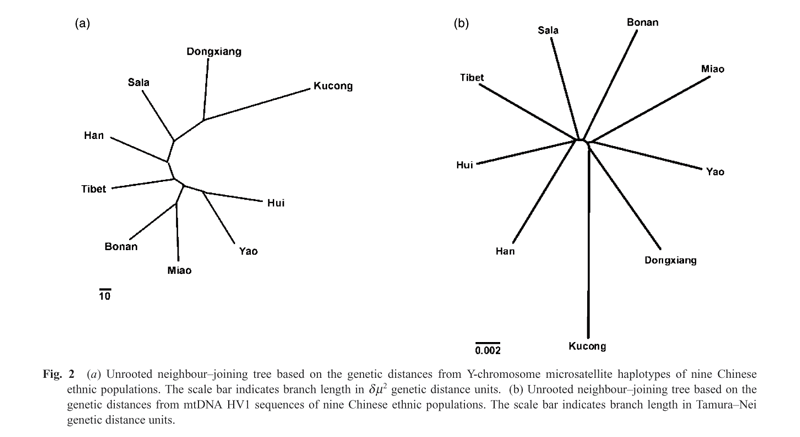
½øÒ»²½»Ø´ð¸¡ÉúÔÚÁíÒ»Ïß¹ØÓÚĸϵ¡¢¸¸ÏµÒÅ´«ÒìͬµÄÎÊÌ⣬ÕâÕÅÖйú¼¸¸öÉÙÊýÃñ×åµÄ»ùÒò¹ØϵͼºÜÓÐÒâ˼¡£×óͼ¸ù¾ÝµÄÊÇYȾɫÌ壨¸¸Ïµ£©£¬ÓÒͼ¸ù¾ÝµÄÊÇmtDNA£¨Ä¸Ïµ£©(Brittles et al, Journal of PHYSIOLOGICAL ANTHROPOLOGY. Vol. 26 (2007) , No. 2 pp.77-82)
×¢Ò⺺×å¡¢²Ø×å¡¢»Ø×åµÄ»ùÒò½á¹¹¡£ÕâÈý¸öÃñ×弸ºõ¿ÉÒÔ˵ÊÇͬĸÒ츸Ç×Ðֵܡ£
- posted on 08/25/2007
zxd wrote:
Mr. 81,
Thanks so much for this article. It's so educating. Could you please refer me to some similar writing or your sources in English? I need to let my son read them. Thanks in advance.
ÖìÏÈÉú£¬Èç¹ûÄú»¹ÓÐÐËȤ£¬ÕâÊÇһƪµì»ùÎÄÕ£¬½²ÈËÀàÓëºÚÐÉÐɵÄÏßÁ£ÌåDNAµÄÒìͬ¡£½áÂÛÊDz»Í¬ÈËȺ¿ÉÒÔ×·Ëݵ½8£48ÍòÄêµÄÒ»¸ö¹²Í¬×æÏÈ£¬¶øÈ˺ͺÚÐÉÐÉ¿ÉÒÔ×·Ëݵ½57-272ÍòÄêÇ°µÄÒ»¸ö¹²Í¬×æÏÈ¡£
Molecular Biology and Evolution, Vol 10, 512-526, 1993
Estimation of the number of nucleotide substitutions in the control region of mitochondrial DNA in humans and chimpanzees
K Tamura and M Nei
Department of Biology, Pennsylvania State University.
Examining the pattern of nucleotide substitution for the control region of mitochondrial DNA (mtDNA) in humans and chimpanzees, we developed a new mathematical method for estimating the number of transitional and transversional substitutions per site, as well as the total number of nucleotide substitutions. In this method, excess transitions, unequal nucleotide frequencies, and variation of substitution rate among different sites are all taken into account. Application of this method to human and chimpanzee data suggested that the transition/transversion ratio for the entire control region was approximately 15 and nearly the same for the two species. The 95% confidence interval of the age of the common ancestral mtDNA was estimated to be 80,000-480,000 years in humans and 0.57-2.72 Myr in common chimpanzees.
Please paste HTML code and press Enter.
- å…«å��一å�
- #1 浮生
- #2 WOA
- #3 July
- #4 浮生
- #5 xw
- #6 å…«å��一å�
- #7 July
- #8 WOA
- #9 July
- #10 å…«å��一å�
- #11 WOA
- #12 July
- #13 WOA
- #14 å…«å��一å�
- #15 zxd
- #16 浮生
- #17 xw
- #18 å…«å��一å�
- #19 qinggang
- #20 å…«å��一å�
- #21 å…«å��一å�
- #22 浮生
- #23 行人
- #24 浮生
- #25 行人
- #26 å…«å��一å�
- #27 qinggang
- #28 qinggang
- #29 WOA
- #30 zxd
- #31 WOA
- #32 xw
- #33 猪蹄儿
- #34 行人
- #35 å…«å��一å�
- #36 猪蹄儿
- #37 å…«å��一å�
- #38 å…«å��一å�
- #39 å…«å��一å�
(c) 2010 Maya Chilam Foundation