

Ö¥¼Ó¸çÏÂ×ÅÓ꣬ ½ÖÉ϶¼ÊÇ´Òæ»Ø¼ÒµÄÈËÃÇ¡£¡£¡£×£´ó¼Ò½ÚÈÕÓä¿ì¡£


- posted on 11/22/2007
First Thanksgiving
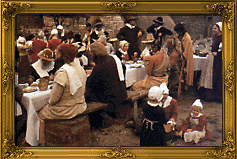
In 1621, the Plymouth colonists and Wampanoag Indians shared an autumn harvest feast which is acknowledged today as one of the first Thanksgiving celebrations in the colonies. This harvest meal has become a symbol of cooperation and interaction between English colonists and Native Americans. Although this feast is considered by many to the very first Thanksgiving celebration, it was actually in keeping with a long tradition of celebrating the harvest and giving thanks for a successful bounty of crops. Native American groups throughout the Americas, including the Pueblo, Cherokee, Creek and many others organized harvest festivals, ceremonial dances, and other celebrations of thanks for centuries before the arrival of Europeans in North America.
Historians have also recorded other ceremonies of thanks among European settlers in North America, including British colonists in Berkeley Plantation, Virginia. At this site near the Charles River in December of 1619, a group of British settlers led by Captain John Woodlief knelt in prayer and pledged "Thanksgiving" to God for their healthy arrival after a long voyage across the Atlantic. This event has been acknowledged by some scholars and writers as the official first Thanksgiving among European settlers on record. Whether at Plymouth, Berkeley Plantation, or throughout the Americas, celebrations of thanks have held great meaning and importance over time. The legacy of thanks, and particularly of the feast, have survived the centuries as people throughout the United States gather family, friends, and enormous amounts of food for their yearly Thanksgiving meal.
What foods topped the table at the first harvest feast? Historians aren't completely certain about the full bounty, but it's safe to say the pilgrims weren't gobbling up pumpkin pie or playing with their mashed potatoes. Following is a list of the foods that were available to the colonists at the time of the 1621 feast. However, the only two items that historians know for sure were on the menu are venison and wild fowl, which are mentioned in primary sources. The most detailed description of the "First Thanksgiving" comes from Edward Winslow from A Journal of the Pilgrims at Plymouth, in 1621:
"Our harvest being gotten in, our governor sent four men on fowling, that so we might after a special manner rejoice together after we had gathered the fruit of our labors. They four in one day killed as much fowl as, with a little help beside, served the company almost a week. At which time, among other recreations, we exercised our arms, many of the Indians coming amongst us, and among the rest their greatest king Massasoit, with some ninety men, whom for three days we entertained and feasted, and they went out and killed five deer, which they brought to the plantation and bestowed upon our governor, and upon the captain, and others. And although it be not always so plentiful as it was at this time with us, yet by the goodness of God, we are so far from want that we often wish you partakersof our plenty.
Seventeenth Century Table Manners:
The pilgrims didn't use forks; they ate with spoons, knives, and their fingers. They wiped their hands on large cloth napkins which they also used to pick up hot morsels of food. Salt would have been on the table at the harvest feast, and people would have sprinkled it on their food. Pepper, however, was something that they used for cooking but wasn't available on the table.
In the seventeenth century, a person's social standing determined what he or she ate. The best food was placed next to the most important people. People didn't tend to sample everything that was on the table (as we do today), they just ate what was closest to them.
Serving in the seventeenth century was very different from serving today. People weren't served their meals individually. Foods were served onto the table and then people took the food from the table and ate it. All the servers had to do was move the food from the place where it was cooked onto the table.
Pilgrims didn't eat in courses as we do today. All of the different types of foods were placed on the table at the same time and people ate in any order they chose. Sometimes there were two courses, but each of them would contain both meat dishes, puddings, and sweets.
More Meat, Less Vegetables
Our modern Thanksgiving repast is centered around the turkey, but that certainly wasn't the case at the pilgrims's feasts. Their meals included many different meats. Vegetable dishes, one of the main components of our modern celebration, didn't really play a large part in the feast mentality of the seventeenth century. Depending on the time of year, many vegetables weren't available to the colonists.
The pilgrims probably didn't have pies or anything sweet at the harvest feast. They had brought some sugar with them on the Mayflower but by the time of the feast, the supply had dwindled. Also, they didn't have an oven so pies and cakes and breads were not possible at all. The food that was eaten at the harvest feast would have seemed fatty by 1990's standards, but it was probably more healthy for the pilgrims than it would be for people today. The colonists were more active and needed more protein. Heart attack was the least of their worries. They were more concerned about the plague and pox.
Surprisingly Spicy Cooking
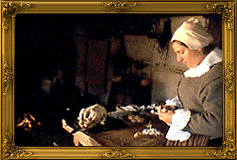
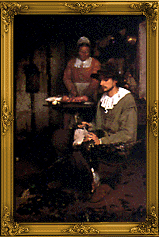
People tend to think of English food at bland, but, in fact, the pilgrims used many spices, including cinnamon, ginger, nutmeg, pepper, and dried fruit, in sauces for meats. In the seventeenth century, cooks did not use proportions or talk about teaspoons and tablespoons. Instead, they just improvised. The best way to cook things in the seventeenth century was to roast them. Among the pilgrims, someone was assigned to sit for hours at a time and turn the spit to make sure the meat was evenly done.
Since the pilgrims and Wampanoag Indians had no refrigeration in the seventeenth century, they tended to dry a lot of their foods to preserve them. They dried Indian corn, hams, fish, and herbs.
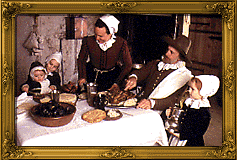
Pilgram family at dinner
Dinner for Breakfast: Pilgrim Meals:
The biggest meal of the day for the colonists was eaten at noon and it was called noonmeat or dinner. The housewives would spend part of their morning cooking that meal. Supper was a smaller meal that they had at the end of the day. Breakfast tended to be leftovers from the previous day's noonmeat.
In a pilgrim household, the adults sat down to eat and the children and servants waited on them. The foods that the colonists and Wampanoag Indians ate were very similar, but their eating patterns were different. While the colonists had set eating patterns--breakfast, dinner, and supper--the Wampanoags tended to eat when they were hungry and to have pots cooking throughout the day.
Source: Kathleen Curtin, Food Historian at Plimoth Plantation
All Photos Courtesy of Plimouth Plantation, Inc., Plymouth, Mass. USA.ca.
- Re: 感�节快�!posted on 11/22/2007
¸Ð¶÷½Ú¿ìÀÖ!
´ó¼Ò°ÑºÃ³ÔµÄÅÄÏÂÀ´£¬ÌùÔÚ¿§·ÈµêÀï¡£ - Re: æ„Ÿæ�©èŠ‚å¿«ä¹�!posted on 11/22/2007
Isn't this today's buffet?
July Wrote:
...Pilgrims didn't eat in courses as we do today. All of the different types of foods were placed on the table at the same time and people ate in any order they chose. - Re: 感�节快�!posted on 11/22/2007
ÕâÊÇÎÒǰЩÈÕ×ÓÔÚÅ©³¡ÕÕµÄ

- Re: 感�节快�!posted on 11/22/2007
Ôڴ˽è¸Ð¶÷½Ú,¸Ðл¿§·ÈµÄ´óÀÏ°å,¶þÀÏ°å,°àÖ÷ÈÎ,°à³¤,¸±°à³¤,ÒÔ¼°Ã»ÓÐÍ·ÏεÄͬѧ.(ÅÅÃû²»·ÖÏȺó) - posted on 11/22/2007
Ô´×Ô America µÄ»ð¼¦ÔÚ America ½Ð turkey£¬ÔÚ Turkey ½Ð hindi £º£©Here is its etymology ¡ª¡ª
turkey
1541, "guinea fowl" (Numida meleagris), imported from Madagascar via Turkey, by Near East traders known as turkey merchants. The larger North American bird (Meleagris gallopavo) was domesticated by the Aztecs, introduced to Spain by conquistadors (1523) and thence to wider Europe, by way of North Africa (then under Ottoman rule) and Turkey (Indian corn was originally turkey corn or turkey wheat in Eng. for the same reason). The word turkey was first applied to it in Eng. 1555 because it was identified with or treated as a species of the guinea fowl. The Turkish name for it is hindi, lit. "Indian," probably via Fr. dinde (contracted from poulet d'inde, lit. "chicken from India"), based on the common misconception that the New World was eastern Asia. The New World bird itself reputedly reached England by 1524 at the earliest estimate, though a date in the 1530s seems more likely. By 1575, turkey was becoming the usual main course at an English Christmas.
½ÚÈÕ¿ìÀÖ¡£ - posted on 11/22/2007
Õâ¸öÓйØPlimoth PlantationµÄ½ÌÓýÍøÕ¾ÓкܺõĹØ춸ж÷½ÚÀ´Ô´µÄÄÚÈÝ£º
http://www.plimoth.org/education/olc/navigation.html
½ñÌìÐÄѪÀ´³±£¬¿ªÁËÒ»ÏÂÎç³µ£¬×êµ½VermontɽÀïÀ´ÁË¡£½ñÄêµÚÒ»´Î»¬Ñ©£¬Ò²µÚÒ»´Î×¼±¸ÔÚÑ©³¡¹ýÒ»¸ö¸Ð¶÷½Ú¡£
²»¼ÇµÃÒÔÇ°µÄ¸Ð¶÷½ÚÊÇÕâôʪ£¬Ò»Â·ÎíÃÉÃÉ£¬ÓêäÀäÀ£¬Ã»ÓÐϦÑôµÄ»Æ»èÏ£¬Â·±ßµÄÊ÷Ó°ÏóÒ»ÅÅÅŵĻҺÚɫľ¿Ì»£¬Å¼¶ûÉÁ¹ýµÄÎÝÓʱ¸ø»ÃæÌí¼ÓһЩеÄÐÎ×´ºÍÏßÌõ¡£
Ò²×£
¸Ð¶÷½Ú¿ìÀÖ! - posted on 11/24/2007
ÎÒÀ´¼¸ÕÅÎÒ½ñÄê(×òÌì)µÄÕÕƬ, ˳±ã˵¼¸¾äÎҵĸж÷½Ú´ó²Í(Thanksgiving meal)Ò»µãÌå»á.
ºÍºÜ¶à¹úÈËÒ»Ñù, ÎÒ±¾À´¶Ô¸Ð¶÷½Ú´ó²Í½Ó´¥²»¶à, Ò²²¢²»¸ÐÐÔȤ. ÔçЩÄê¶Ô¸Ð¶÷½ÚµÄÄÇЩоɴ«Í³,¼Òͥ͞Û, »ð¼¦, ×ãÇò, ˦Âô¶¼Ã»ÓÐʲôÌå»á. Ëùν¸Ð¶÷µÄÖ÷Ìâ¾Í¸ü̸²»ÉÏÁË. Ïà·´, ¼ÇµÃÔÚѧУÆÚ¼ä,ÓÐһѧÆÚÓÉÓÚ±íÏÖÌ«²î,ʲô¶¼Ã»ÓÐ×ö³öÀ´. ÅöÇÉʵÑéÊÒµÄÒÇÆ÷´¦ÔÚ24X7ÔËתÆÚ. ½ÌÊÚ°ÑÎÒÅÅÔڸж÷½ÚÄÇÌìÖµ°à,À´×ö¼¸¸öСʱµÄÿÈÕÈÕ³£µÄÄÇЩÕûÀí¼Ç¼,»»Ñù,ÖØÐÂÉèÖõȹ¤×÷.ûÓй¦ÀÍÄã¾ÍÒª¸¶³ö¿àÀÍ,Ò²ËãÊÇÒ»Öֳͷ£. ÄÇÒ»ÄêµÄ¸Ð¶÷½ÚûÓÐThanksgiving,Ö»ÓÐPunishmentgiving. ½á»éÒÔºó,´ÓС¾ÍÉú³¤ÔÚÃÀ¹úµÄÆÞ×Ó¶Ô×ö¸Ð¶÷½Ú´ó²ÍͦÖØÊÓ. ÊÜËýµÄÓ°Ïì, ÎҲŷ¢ÏÖÕâÖÖÉ¢·¢×ÅÏçÍÁÆøÏ¢(country style)µÄ´ó²Í»¹ÊǺÜÓÐÒâ˼µÄ. ÎÒ´Óµ±ËýµÄÖúÊÖ¿ªÊ¼, Ö÷¶¯¼Ó±»¶¯µØÖð½¥³ÉΪ¸Ð¶÷½Ú´ó²ÍµÄÕÆÉ×´ó³ø. ºäºäÁÒÁҵشó×öÒ»Ìì. ÒÔÇ°ÎÒÃÇ»¹ÓÐһЩµ¥ÉíÀ´¾Û²Í. ÕâÁ½ÄêÀ´µÄÈËÔ½À´Ô½ÉÙ. ²»¹ý,ÎÒÃǽñÄêÈÔÈ»°´10ÈË×óÓÒ×¼±¸ÁË´ó²Í.
»ð¼¦
»ð¼¦µÄÓŵãÊǵ͵¨¹Ì´¼, ¸ßµ°°×, µÍÖ¬·¾. ÕâЩÓŵãÒ²ÊÇËüµÄȱµã. ²»ÈÝÒ××öµÃºÜÏã, ³ÔÆðÀ´Ã»Î¶. Èç¹ûÊÇ´«Í³×ö·¨(¿¾·¨), ÎÒµÄÌå»áÊÇÖ»ÄÜÔÚ½½Ö(gravy)×öÎÄÕÂ. °Ñ½½Ö×öµÃÓÐ×ÌÓÐζµÄ, ³ÔµÄʱºò½½ÔÚÈâÉÏ. À´¿ÍÈç¹ûÓÐÆäËü°ì·¨,ÇëÉͽÌ. »ð¼¦µÄÁíÒ»¸öÌصãÊǸж÷½ÚÆä¼äÌرð±ãÒË. ΪÁËÌåÏָж÷¾«Éñ, É̵êÒ»°ã·Ç³£±ãÒ˵سöÊÛ»ð¼¦, ¼¸ºõËã°×¸ø. ¶àÄêÀ´ÆÕͨ³¬ÊеĻ𼦼۸ñ¶¼ÔÚÿ°õ$0.20-$0.30 ×óÓÒ. ÁíÒ»ÖÖºÜpopularµÄ»ð¼¦ÅÆ×Óbutterball,ÒòΪÊÇÊÂÏÈ×¢ÉäÓÐζµÀµÄÒºÌå, ËùÒÔ¹óºÜ¶à. µ«ÊÇ, Èç¹ûÄãÄÜ×öºÜºÃµÄ½½Ö,Ò»°ãûÓбØÒªÂòÌØÒâÂòÕâÖÖ»ð¼¦.
ÎÒÒ»°ãÔڸж÷½ÚÇ°ÂòÁ½Ö»»ð¼¦, ¶øÇÒרÃÅÌô´ó¸öµÄÂò. ÎÒÓÐÈçºÎ´¦Àí³ÔʣϵÄÈâµÄ°ì·¨, ËùÒÔ²»³î³Ô²»ÁË. Ò»Ö»°´´«Í³×ö·¨Ôڸж÷½Ú³Ô. ÁôÒ»Ö»µ½Ê¥µ®½Ú³¢ÊÔЩ»¨Ñù·ÐÂ(ÖÐʽµÄ±,Ѭ, Õ¨..)
ÖÐ;,»¹Ã»Óп¾ºÃ

¿¾ÍêÒÔºó

»ðÍÈ(Ham)
»ðÍÈÍêÈ«ÊÇ×ö¸ø±ðÈ˵Ä, ÎÒµÄÐËȤ²»´ó. ÈÓµ½¿¾ÏäÀï,¿ìºÃµÄʱºòÍ¿ÉÏÒ»²ãÈÚ»¯µÄ»ÆÓͺͺìÌÇ»ìºÏÒºÌå¾ÍÐÐÁË.


Åä²Ë(side dishes): ¿¾Ëļ¾¶¹ºÍ¿¾ºìÊí(Green Bean Casserole, Sweet Potato Casserole), »ð¼¦ÌîÁÏ(stuffing)£¬É½Ôü½´. ¶¼ÊDZȽÏÆÓËصÄ,ºÜÈÝÒ××öµÄ¶«Î÷(»ìºÏºÃÁË,¾ÍÈÓµ½¿¾ÏäÀï).


Ãæ°ü
Ãæ°üÏÖÔÚÒѾ²»ÊôÓÚhome cookingÁË(¾ÍÏóÎÒÃǵÄÂøÍ·°ü×ÓÒ»Ñù). ´ÓЧÂÊÉÏ˵×Ô¼º×ö²»ÈçÈ¥Ãæ°ü·¿È¥Âò. ÎÒ×öÃæ°üÍêÈ«ÊdzöÓÚÀÖȤºÍÒ»µãÌØÊâ¸ÐÇé.


×îºó´ó²Í

LM wrote:
¸Ð¶÷½Ú¿ìÀÖ!
´ó¼Ò°ÑºÃ³ÔµÄÅÄÏÂÀ´£¬ÌùÔÚ¿§·ÈµêÀï - Re: æ„Ÿæ�©èŠ‚å¿«ä¹�!posted on 11/24/2007
ÀÏÊ¥ºÃÎÄ,ºÃͼƬ. ¿ÚË®:) - Re: æ„Ÿæ�©èŠ‚å¿«ä¹�!posted on 11/24/2007
ÀÏA, ¿´ÖÐÉÏÃæÄǵÀ²ËÁË? Çë½². Äã³ÔµÄÔÁ²ËÌ«¶àÁË, ¸øÄã»»»»Ïç´å·ç¸ñµÄ¿Úζ. Ï´ÎÀ´ÃÀ¹ú, ÎÒרßøÄãÕÆÉ×.²»¹ý, ÄãÒ²ÖªµÀ, ×ÜÊDZðÈËÍëÀïµÄÈâºÃ³Ô.
abc wrote:
ÀÏÊ¥ºÃÎÄ,ºÃͼƬ. ¿ÚË®:) - Re: æ„Ÿæ�©èŠ‚å¿«ä¹�!posted on 11/24/2007
ÀÏÊ¥,ÎÒϲ»¶Äã×öµÄ»ð¼¦. ÔٴοÚË®. :)
ÉîÛÚÓÐЩÔÁ²ËȷʵºÜºÃ,±ÈÈçÉîÛÚ¾§¶¼¾ÆµêµÄÇåÕôÉÓãµÈ. ÄãÀ´ÉîÛÚʱ,ÎÒÒ²ÇëÄã. ˳±ã˵¾ä,¿§·ÈÀïµÄÅóÓѼûÕßÓзÝ, Ëæʱ»¶ÓÀ´µç»°È¥´éÒ»¶Ù,²»ÏÞÔÁ²Ë,ʲô·çζ¶¼ÐÐ.
st dude wrote:
ÀÏA, ¿´ÖÐÉÏÃæÄǵÀ²ËÁË? Çë½². Äã³ÔµÄÔÁ²ËÌ«¶àÁË, ¸øÄã»»»»Ïç´å·ç¸ñµÄ¿Úζ. Ï´ÎÀ´ÃÀ¹ú, ÎÒרßøÄãÕÆÉ×.²»¹ý, ÄãÒ²ÖªµÀ, ×ÜÊDZðÈËÍëÀïµÄÈâºÃ³Ô.
abc wrote:
ÀÏÊ¥ºÃÎÄ,ºÃͼƬ. ¿ÚË®:) - Re: æ„Ÿæ�©èŠ‚å¿«ä¹�!posted on 11/26/2007
×Ô¼º×öÍ꿾Ѽ£¬ÒÔºóÔÙÒ²²»ÅúÆÀÈκη¹µêÀïµÄ¿¾Ñ¼ÁË¡£
- Re: 感�节快�!posted on 11/26/2007
ÀϵùÀÏÂèÀ´ÁË£¬×öÁËÒ»´ó×À¶ù¡£
ÀÏÂè¿´ÁËÎÒƬµÄ¿¾Ñ¼È⣬˵³ÖÇÉîÒ»¶¨Ï²»¶¡£

- Re: 感�节快�!posted on 11/26/2007
Ã÷Ä꣬ÎÒҪȥÀÏÃæ»òÀÏÊ¥¼Ò¹ý¸Ð¶÷£¬ ÄãÃÇËÑûÇëÎÒ°¡£¿
LM wrote:
ÀϵùÀÏÂèÀ´ÁË£¬×öÁËÒ»´ó×À¶ù¡£
ÀÏÂè¿´ÁËÎÒƬµÄ¿¾Ñ¼È⣬˵³ÖÇÉîÒ»¶¨Ï²»¶¡£
- Re: 感�节快�!posted on 11/26/2007
any time, July, not just thanksgiving time. ;)
July wrote:
Ã÷Ä꣬ÎÒҪȥÀÏÃæ»òÀÏÊ¥¼Ò¹ý¸Ð¶÷£¬ ÄãÃÇËÑûÇëÎÒ°¡£¿
LM wrote:
ÀϵùÀÏÂèÀ´ÁË£¬×öÁËÒ»´ó×À¶ù¡£
ÀÏÂè¿´ÁËÎÒƬµÄ¿¾Ñ¼È⣬˵³ÖÇÉîÒ»¶¨Ï²»¶¡£
- Re: 感�节快�!posted on 11/26/2007
ÑûÇëÄãÃÇÈ«¼Ò, ´ÓÀϵ½Ð¡.
Ö»ÊDZðÍüÁË, µ½Ê±¿ªÊ¼³ÔÃæÌõÕâµÀ²Ëʱ,Òª·ÅÏ¿ê×Ó,¸ÄÓòæ×Ó. Ö»ÌáÐÑÕâÒ»»Ø.
July wrote:
Ã÷Ä꣬ÎÒҪȥÀÏÃæ»òÀÏÊ¥¼Ò¹ý¸Ð¶÷£¬ ÄãÃÇËÑûÇëÎÒ°¡£¿
- Re: 感�节快�!posted on 11/26/2007
ϲ»¶¿´ÉϺ£Ò»¸ö¡°Éú»îʱÉС±ÆµµÀµÄ¡°É«Ïãζ¡±£¬½éÉÜһЩÓйÛÖÚÌṩµÄʳ¼Ò£¬½éÉÜÄǼҵÄÕÐÅƲˣ¬²¢È¥ºó³ø·¿½éÉÜÅë⿹ý³Ì£¬»¹ÓÐÓɹÛÖÚÍƽé×Ô¼º×Ô¼ÒС²Ë£¬ÔøÒ²ÓÐһЩÀÏÍâÍƽé×ԼҲˣ¬¸Ð¾õ¿¾µÃ¶à£¬¶øÇұȽÏϲ»¶°ÚÅÌ£¬¶ËÉÏÀ´É«ºÃ£¬ÏãºÍζ¾Í²»ÖªµÀÁË£¬µ«Ö÷³ÖÈË×ÜÊÇÔÞ²»¾ø¿Ú¡£
¿´ÕâÀïһЩ´ó²Í£¬»ù±¾¶¼ÊÇ¿¾£¬ÕâÒ²¾ÍÊÇÈËÃÇ˵µÄÀÏÍâ²»ÆðÓ͹øµÄÔµ¹Ê£¿ - posted on 11/26/2007
ÔÙÌíµã»ð¼¦½Úµä¹Ê£º
¸Ð¶÷½ÚÊÇÃÀ¹ú½ÚÈÕÀïΪÊý¼«ÉٵķÇ×ڽ̡¢ÊÀË×½ÚÈÕ×îΪÖØÒªµÄÒ»¸ö¹ú¶¨¼ÙÈÕ¡£
1789ÄêµÄ½ñÌ죬»ªÊ¢¶Ù×ÜͳÌáÒ飬¹ú»áÅú×¼£¬ÃÀ¹ú½«¸Ð¶÷½Ú×÷Ϊ¹ú¶¨¼ÙÈÕÇì×£¡£
1941ÄêµÄ½ñÌ죬ÂÞ˹¸£×ÜͳǩÊð·¨°¸½«¹ú¼Ò¼ÙÈոж÷½Ú¶¨ÎªÃ¿ÄêʮһÔµÚËĸöÐÇÆÚËÄ¡££¨¸Ð¶÷½ÚÒò´ËÂäÔÚ11ÔÂ22ÈÕ×Ô28ÈÕÖ®¼ä¡££©
¸Ð¶÷½ÚÒ²±êÖ¾×ŴӸж÷½Úµ½ÐÂÄêÔªµ©Ò»ÔÂÒ»ÈյĽÚÈÕ¼¾½ÚµÄ¿ªÊ¼¡£½ÚÈÕ¼¾½ÚÊÇÉ̼ÒÁãÊÛÒµµÄ×îÍú¼¾¡£
¸Ð¶÷½ÚÊÇÃÀ¹úÒ»ÄêÀï³ýÁ˳¬ÊкÍijЩÌÆÈ˽ÖÉ̼ÒÍâËùÓÐÉ̵궼²»¿ªÃŵÄΨһµÄÒ»Ìì¡£¿ªÃŵij¬ÊÐͨ³£Ò²ÊÇ¿ªµ½ÏÂÎç3µã¡£
¸Ð¶÷½ÚÍíÍÅÔ²´ó²Í¡¢¿´éÏéÇòÈü¡¢´ïµ©×í¾Æ¡¢ÆðÔçÈ¥É̵꼷ÈËȺÂò¿ª½Ú±ãÒË»õÊǵäÐÍÃÀ¹ú´óÖڵĸж÷½Ú´«Í³¡£¸Ð¶÷½ÚéÏéÇòÈüÊǶþս֮ǰ¾Í¿ªÊ¼µÄ´«Í³£¬Í¨³£×ö¶«µÄÇò¶Ó°üÀ¨´ïÀ˹ţ×к͵×ÌØÂÉÐÛʦ¡£ - Re: æ„Ÿæ�©èŠ‚å¿«ä¹�!posted on 11/27/2007
LM wrote:
ÀϵùÀÏÂèÀ´ÁË£¬×öÁËÒ»´ó×À¶ù¡£
ÀÏÂè¿´ÁËÎÒƬµÄ¿¾Ñ¼È⣬˵³ÖÇÉîÒ»¶¨Ï²»¶¡£
¿´À´ÀÏÃæ¼ÒµÄ²ËºÃ³ÔһЩ£¬¶¼µÂ»¹ÊÇ°ÑOkra µÄ¾ø»îÄóöÀ´°É£¬ÎÒÒ»¼ûturkeyºÍham£¬¶Ç×Ӿͱ¥ÁËÒ»°ë¡£ - Re: æ„Ÿæ�©èŠ‚å¿«ä¹�!posted on 11/28/2007
st dude wrote:
¡¡
Ãæ°ü
Ãæ°üÏÖÔÚÒѾ²»ÊôÓÚhome cookingÁË(¾ÍÏóÎÒÃǵÄÂøÍ·°ü×ÓÒ»
Ñù). ´ÓЧÂÊÉÏ˵×Ô¼º×ö²»ÈçÈ¥Ãæ°ü·¿È¥Âò. ÎÒ×öÃæ°üÍêÈ«ÊdzöÓÚ>ÀÖȤºÍÒ»µãÌØÊâ¸ÐÇé.
st dude ʵÔÚÊÇÀ÷º¦£¬st·òÈËstº¢×ÓÃǺÜÓи£Æø¡£ÀÏÊ¥¿É²»¿ÉÒԽ̽ÌÕâÃæ°üÔõô×ö£¿
- posted on 11/29/2007
rzp, ûÓÐÄÇôÑÏÖØ. Cooking ÍêÈ«ÊÇpassion,Ò²²»ÊÇʲô¸ß¼¼Êõ, ʲôÈ˶¼ÄÜ×ö. ²»¹ý½»Á÷³ø·¿¾ÑéÊÇÎÒµÄÀÖȤ, ̸×öÃæ°ü¸üÊÇȤζÎÞÇî(ÎÒ»¹»á×öbanana bread, French bread,µ±È»corn breadÈËÈ˶¼»á×ö). Ö»ÊÇÒ»·½Ãæ²»Ïë³åµcaf¨¦Ö÷Ìâ.ÁíÒ»·½Ãæ¸Ðµ½Çú¶àºÍ¹Ñ. ´ó²¿·ÖÀ´¿Í²»»á̸ÕâЩ¶«Î÷µÄ. ËùÒÔ, ÎÒ¾Í˳Æä×ÔÈ», Óлú»áÊʶÈÌáÒ»ÏÂ. ÎÒ²»ÖªµÀcaf¨¦ÒÑÓиж÷½Ú´ó²ÍµÄ¾ÉÌù(°¢æ©Ð´µÄ, ·Ç³£Ïêϸ). ×ÔÒÔΪÌî²¹¿Õ°×, Ôö¼Óµã½ÚÈÕÆø·Õ. ÁíÍâ, ²»ÖªµÀÄã¿´µ½ÏûϢûÓÐ, ×ö·¹Ì¨(food network)µÄ"Emeril Live"´ÓϸöÔÂÍ£²¥. ¾¡¹ÜÎÒÒ²ÓÐЩ¿´ÄåÁË, µ«ÊÇÒ»Ïëµ½ÒÔºó¿´²»µ½ÁË, Ò²ÓÐЩÍïϧ. ËûµÄ½ÚÄ¿, »¹ÓÐRachel RayµÄ½ÚÄ¿ºÍIron ChiefµÄÈ·¸øÉú»î´øÀ´ºÜ¶à¿ìÀÖ.
³¤»°¶Ì˵. ¹ØÓÚÃæ°ü(ÎÒÏëÄãÖ¸µÄÊÇDinner roll). ×î¼òµ¥µÄ°ì·¨ÊÇÂòÏֳɵÄÀ䶳ÃæÍÅ. ¿¾Ö®Ç°ÈÃËüÓаåÓÐ2-4СʱµÄʱ¼ä·¢ÆðÀ´. µ«ÊÇ, ÎÒ²ÂÏëÕâ²»ÊÇÄãËùÏëÌýµ½µÄ. ·ñÔò, Äã¿ÉÒÔÌø¹ýÏÂÃæ·½·¨µÄ1,2¶Î. ͬʱÎÒÖªµÀ×ö·¨½éÉܵ½´¦¶¼ÓÐ, ÎÒÏàÐÅÄãÒ²¶¼ÖªµÀ. ¶øÇÒÎÒÏëÄãÒ²ÖÁÉÙÊǺÜÓоÑéµÄ. ËùÒÔ, Èç¹ûÎÒ˵µÄÓÐЩdzÏÔºÍÀ×ͬ, ²»´ú±íÎÒ°ÑÄã¿´³ÉʲôҲ²»ÖªµÀ. Ö»ÊÇ´¿´âΪÐðÊö·½±ã.
¼ÙÉèÄã×öÎÒͼƬÉϵÄÊýÁ¿,¶øÇÒ¶¼ÊÇÊÖ¹¤×ö·¨.
¹¤¾ß: ´óÍë/ÅèÒ»¸ö, ¿¾ÅÌ(tray),°´°åµÈ
ÔÁÏ:½Íĸ(Costco, Sams ClubµÈ´¦ÂòSAFÅÆ×Ó¾ÍÐÐ), ÆÕͨº¬½î(gluten) Ãæ·Û,²»ÒªµÍ½îµÄÈç×Ô·¢·Û.ÈÈË®, »ÆÓÍ,ÄÌ·Û, ÉÙÁ¿µÄÑκÍÌÇ, ¼¦µ°(1).
·½·¨:
1 ÓÃÒ»±(2cup)ÈÈË®Èܽâ½Íĸ, ½Á°è.
2 Ãæ·Ûµ¹Èë´óÍë/ÅèÀï. µ¹ÈçÄÌ·Û, Ò»µãÑÎÌÇ, µ¹È뼸É×»ÆÓÍ(ÈÚ»¯ºóµÄ), µ¹Èë(1)²½µÄ½ÍĸҺ. ÕâÒ»²½µÄ½Á°èºÜÖØÒª,¼ÓË®ÂýһЩ,ÒªºÍ½Á°èͬ²½. Èç¹ûÄãÖªµÀÂýÍ·µÄ×ö·¨, Ò»ÑùµÄ×ö·¨. µ±È»ÄãÒªÊÇÓÃÃæ°ü»ú»ò½Á°è»ú»áÊ¡ÊÂһЩ.
3 ½Á°èºóÐγɵÄÃæÍÅ(dough), ¸É³É³¤Ô²Ä¾ÐÎ×´, ÔÙÇгɱÈÔªÏüÉÔ΢´óÒ»µãµÄÔ²Çò(ÈàÔ²). ·ÅÈ뿾ÅÌÉÏ(ÊÂÏÈÅçÒ»µãÓÍ). ·Åµ½±È½ÏůºÍµÄµØ·½ÈÃËü·¢ÆðÀ´. ÎÒÒ»°ã¾Í·ÅÔÚ¿¾ÏäÀï. ¶¬Ì컹ҪÈÿ¾ÏäÔ¤ÈÈ2·ÖÖÓÔٷŽøÈ¥. ÉõÖÁÖÐ;»¹ÔÙ¿ªÒ»Á½·ÖÖÓ±£³ÖζÈ.
4 ´óÔ¼1¸öСʱ»òןü³¤ºó, СÃæÍÅ·¢ÆðÀ´ÁË(Ò»°ãÌå»ýÖÁÉÙÔö¼ÓÒ»±¶), Äã¾Í¿ÉÒÔ¿¾ÁË. 15-20·ÖÖÓ×óÓҾͿÉÒÔ. СÃæÍÅÖ®¼äµÄ¾àÀëҪѡºÃ. Òª¿¼Âǵ½ÓÐÒ»¶¨µÄ¼·Ñ¹, Õ³ÔÚÒ»Æð, ÕâÑùÃæ°ü»áÓÐÐÎ×´. ·ñÔò, »¥Ï಻ӵ¼·,Ãæ°üµÄÐÎ×´»áÓÐЩ̫ƽ. ÎÒÒ»°ãÔںõÄʱºò, È¡³öÀ´ÔÚÃæ°ü±íÃæÍ¿Éϵã·äÃÛ(Ò»µãµã)ºÍÈÚ»¯µÄ»ÆÓÍ»ìºÏÎï. ÔÚ·Å»ØÈÔÓÐÓàÈÈ¿¾ÏäÀï. ³ÔµÄʱºòÄóöÀ´.
²»ÖªµÀÎÒ˵µÄÊÇ·ñÌ«¼òµ¥ÁË, ÇëÖ¸³ö.
rzp wrote:
st dude ʵÔÚÊÇÀ÷º¦£¬st·òÈËstº¢×ÓÃǺÜÓи£Æø¡£ÀÏÊ¥¿É²»¿ÉÒԽ̽ÌÕâÃæ°üÔõô×ö£¿
- Re: 感�节快�!posted on 11/30/2007
©µôÁËeziµÄÎÊÌâ. ¾ÝÎÒËùÖÂ,Ó͹ø³´¹ø¶¼ÓÃ. Ö÷ÒªÊÇ¿´×öʲô. Óÿ¾ÏäµÄ²ËÆ×ÊÇÆ«¶àЩ.
ezi wrote:
¿´ÕâÀïһЩ´ó²Í£¬»ù±¾¶¼ÊÇ¿¾£¬ÕâÒ²¾ÍÊÇÈËÃÇ˵µÄÀÏÍâ²»ÆðÓ͹øµÄÔµ¹Ê£¿ - Re: æ„Ÿæ�©èŠ‚å¿«ä¹�!posted on 11/30/2007
³¤»°¶Ì˵. ¹ØÓÚÃæ°ü(ÎÒÏëÄãÖ¸µÄÊÇDinner roll).ÎÒÊÇÖ¸ÄãÏàƬÀïµÄÄÇÖÖ¡£
лÀÏÊ¥£¬´ýÎÒÊÔÊÔ£¡ÎÒÒÔÇ°»á×öÂøÍ·À´×źóÀ´ºÃ¶àÄê²»×öÏÖÔÚ¾ÍÍüÁË¡£
st dude wrote:×öµÄºÃ»¹ÊÇÓм¼ÊõµÄ¡£µ±È»»¹µÃÓа®³ÔµÄÅõ³¡¡£
rzp, ûÓÐÄÇôÑÏÖØ. Cooking ÍêÈ«ÊÇpassion,Ò²²»ÊÇʲô¸ß¼¼Êõ, ʲôÈ˶¼ÄÜ×ö.
Please paste HTML code and press Enter.
(c) 2010 Maya Chilam Foundation